
#AuthorLife
Self‑Publishing vs. Traditional Publishing: How New Authors Can Choose the Right Path
Self‑Publishing vs. Traditional Publishing: How New Authors Can Choose the Right Path
Chuck Morgan, Crime Fiction Author
For new authors, one of the biggest early decisions is choosing between self‑publishing and traditional publishing. Both paths can lead to successful writing careers, but they offer very different experiences, timelines, and levels of creative control. Understanding those differences helps you choose the publishing model that fits your goals and the writing life you want to build.
This guide breaks down each option in clear, practical terms so you can make a confident, informed decision.
Why Your Publishing Path Matters?
Your publishing choice affects:
How much control you have over your book
How quickly you can publish
How much you earn per sale
How much marketing you’ll need to do
How your long‑term author career develops
There’s no “right” answer. There’s only the right answer for you.
What Traditional Publishing Looks Like
Traditional publishing is the classic route: literary agents, book deals, advances, and established publishing houses.
How It Works
Write and polish your manuscript.
Query literary agents.
If an agent signs you, they will pitch your book to publishers.
If a publisher buys it, you receive an advance and a contract.
The publisher handles editing, cover design, printing, and distribution.
It’s a long, competitive process—but it comes with professional support.
Pros of Traditional Publishing
1. No Upfront Costs
The publisher pays for:
Editing
Cover design
Printing
Distribution
You don’t invest money to publish.
2. Industry Validation
A book deal signals that professionals believe in your work. For many authors, this recognition matters.
3. Wide Distribution
Traditional publishers can get your book into:
Bookstores
Libraries
Retail chains
International markets
This reach is difficult to achieve independently.
4. Professional Editing and Design
You work with experienced editors and designers who help elevate your book.
5. Access to Certain Awards and Reviews
Some literary awards and review outlets still prioritize traditionally published books.
Cons of Traditional Publishing
1. Slow Timelines
From query to publication, the process can take 2–3 years.
2. High Competition
Agents receive thousands of queries. Publishers accept only a small percentage of agented submissions.
3. Less Creative Control
You may have limited say in:
Your cover
Your title
Your release date
Your marketing plan
4. Lower Royalties
Typical royalties:
10–15% on print
Self‑publishing pays significantly more per sale.
5. You Still Have to Market
Publishers expect authors to:
Build an online presence
Promote their books
Engage with readers
Traditional publishing is not a marketing‑free path.
What Self‑Publishing Looks Like
Self‑publishing has become a powerful, respected option—especially for genre fiction authors. You act as the publisher, making all creative and business decisions.
How It Works
Write and edit your book.
Hire professionals (editor, cover designer, formatter).
Publish through platforms like Amazon KDP, IngramSpark, Kobo, or Draft2Digital.
Manage your own marketing and launch strategies.
You control everything—and you keep more of the profits.
Pros of Self‑Publishing
1. Full Creative Control
You choose:
The cover
The title
The price
The release date
The marketing strategy
Your vision stays intact.
2. Fast Publishing Timeline
You can publish in weeks, not years. This is ideal for:
Series authors
Thriller, mystery, romance, fantasy, and sci‑fi writers
Authors building momentum quickly
3. Higher Royalties
Most platforms offer:
70% on ebooks (within certain price ranges)
40–60% on paperbacks
You earn more per sale.
4. You Keep All Rights
You keep:
Ebook
Audiobook
Foreign
Film/TV
You can license them—or not—on your own terms.
5. Direct Reader Connection
Self‑publishing lets you:
Build a mailing list
Control your brand
Understand your audience
Create long‑term reader loyalty
This is the foundation of a sustainable author career.
Cons of Self‑Publishing
1. Upfront Costs
Professional editing, cover design, and formatting require investment.
2. You Handle Everything
You’re responsible for:
Quality control
Metadata
Marketing
Ads
Launch planning
It’s empowering—but it’s work.
3. Limited Bookstore Presence
Most self‑published books sell online unless you actively pursue bookstore distribution.
4. Some Remaining Stigma
While shrinking, some institutions still favor traditionally published books.
5. Learning Curve
You’ll need to learn:
Publishing platforms
Genre expectations
Marketing basics
Pricing strategies
Self‑publishing is a business, not just a creative outlet.
Which Path Fits You Best?
Here’s a quick way to evaluate your direction.
Traditional Publishing Might Be Right If You…
Want industry validation
Prefer to focus mainly on writing
Don’t want to manage the business side
Are patient with long timelines
Write literary fiction, memoir, or certain nonfiction
Want bookstore and library access
Don’t want to invest upfront
Self‑Publishing Might Be Right If You…
Want full creative control
Write commercial genres (thriller, mystery, romance, fantasy, sci‑fi)
Prefer fast release cycles
Are entrepreneurial
Don’t mind learning marketing
Want higher royalties
Are willing to invest in professional production
The Hybrid Author: The Best of Both Worlds
Many modern writers choose a hybrid path, publishing some books traditionally and others independently. This approach offers:
The credibility of traditional publishing
The income and control of self‑publishing
Multiple revenue streams
Greater career stability
You don’t have to choose one path forever. You can choose the right path for each book.
Final Thoughts
Choosing between self‑publishing and traditional publishing isn’t about choosing your worth as a writer. It’s about choosing a business model.
Both paths can lead to:
Loyal readers
Financial success
Creative fulfillment
A long, meaningful writing career
Ask yourself:
Do I want control or support
Do I want speed or structure
Do I want ownership or partnership
Do I want higher royalties or lower risk
Your answers will point you toward the publishing path that fits your goals—and your voice.
How can unorthodox rituals shatter writer’s block in plain English?
How can unorthodox rituals shatter writer’s block in plain English?
Chuck Morgan, Crime Fiction Author
Many writers experience the frustration of writer’s block at some point. This challenge can impede your creativity and slow down your progress. By incorporating unorthodox rituals into your writing routine, you can stimulate your mind and regain your flow. These unconventional practices can help you break free from mental constraints, encouraging fresh ideas and perspectives. Discover how these unique approaches can transform your writing sessions and enhance your overall productivity.
Understanding Writer’s Block
Writer's block is a common challenge that can hinder your creativity and productivity. It occurs when you find it difficult to generate ideas or put your thoughts into words. This mental barrier can arise at any stage of the writing process, leaving you feeling frustrated and stuck.
Definition and Causes
Writer's block can be defined as a temporary inability to write coherently or consistently. Causes vary widely and may include fear of failure, perfectionism, fatigue, or even external pressures like deadlines. Sometimes, the source is simply mental exhaustion or a lack of inspiration, leading to a complete standstill in your creative flow.
Common Effects on Creativity
The impact of writer's block on your creativity can be profound. It can lead to feelings of inadequacy and self-doubt, which further stifle your ability to express ideas. You may overthink your writing, losing sight of your original vision, or even abandoning projects altogether. This spiral can cause decreased motivation and a prolonged writing hiatus.
When you face writer's block, you might experience a range of psychological effects that further compromise your creative faculties. The pressure to produce can lead to a vicious cycle where anxiety increases, making it even harder to write. You may also withdraw from writing communities or miss out on collaborative opportunities, isolating yourself and diminishing your overall inspiration. Misunderstanding only compounds the problem, intensifying the writer's block and making it more challenging to find a way back to their creative process.
The Role of Rituals in Writing
Rituals form a vital part of the writing process, providing structure and predictability. Engaging in specific actions before you write can signal to your brain that it's time to create. These rituals can range from simple acts like making a cup of tea to more complex routines, such as a morning meditation or a dedicated writing space. By establishing these behaviors, you create a mental environment conducive to creativity and focus.
What Are Rituals?
Rituals are repeated, purposeful activities that help prepare you for specific tasks. In writing, these can be anything from a set time for writing, particular music, or even wearing a specific outfit. These practices often provide a sense of comfort and efficacy, making it easier for you to get into the writing mindset.
Psychological Benefits of Rituals
Engaging in rituals can significantly enhance your psychological readiness to write. They serve as cues that direct your mind to shift into a creative mode, reducing anxiety and increasing focus. Studies show that rituals can foster a sense of control, boosting motivation and performance as you write.
This sense of control through rituals can be especially beneficial in combating writer's block. When you consistently follow a ritual, you condition your mind and body to expect productivity and creativity. For example, a study by psychologists showed that individuals who practiced a short ritual before engaging in a challenging task performed significantly better than those who did not. This means that by incorporating simple rituals before writing, you can create a powerful mental framework that helps clear the barriers posed by writer's block, allowing for a more fluid creative process.
Unorthodox Rituals to Overcome Writer’s Block
Overview of Unconventional Approaches
Unorthodox rituals can reshape your writing routine, offering fresh perspectives that combat the stagnation of writer’s block. These practices often entail breaking free from conventional writing norms, allowing your creativity to flow more freely. By embracing unique behaviors, you can shift your mindset and approach your work with renewed energy, transforming the writing process into an invigorating experience.
Examples of Unorthodox Rituals
Embracing unconventional methods can breathe life into your writing process. Techniques like writing in unusual locations, using absurd prompts, or incorporating physical movement can all serve as catalysts for creativity. Some writers benefit from quirky rituals, such as wearing a particular outfit or consuming specific foods while writing, to create a unique atmosphere that fosters inspiration.
Writers may choose to write at unusual hours, experimenting with environments like a cafe or park to spark creativity. Taking part in writing sprints or timed exercises with friends can induce a playful, competitive atmosphere, helping to eliminate distractions and boost motivation. By incorporating these unconventional practices into your routine, you can significantly enhance your creative flow and diminish the grip of writer’s block.
Analyzing Their Rituals
Examining the rituals of successful writers reveals common elements that contribute to overcoming writer's block. Notably, routines incorporating physical activity, mindfulness practices, and structured schedules foster and focused creative environment. Each writer tailored their approach, showing that personalization is vital in enhancing creativity.
In-depth analysis of these rituals shows that writers often implement a blend of physical and mental practices. For example, Dickens' walks promoted brainstorming, while McIntosh's yoga incorporated mindfulness, linking body and mind. King’s distraction-free environment maximizes concentration, and Gilbert’s journaling nurtures a positive mindset. This showcases the need to find what resonates with you personally, reinforcing the concept that effective rituals vary widely among individuals.
Implementing Unorthodox Rituals in Your Routine
Integrating unorthodox rituals into your writing routine can unlock creativity and combat writer’s block. Start small and choose rituals that resonate with you personally. This might include writing in a different location, engaging in a brief physical activity before you write, or adopting a unique warm-up routine. Tailor these rituals to fit your lifestyle, ensuring they enhance rather than disrupt your creative process.
How to Choose the Right Ritual
Select rituals that reflect your personality and interests. Consider what activities energize or inspire you. For example, if you enjoy nature, writing outdoors might be beneficial. Experiment with different rituals to see what stimulates your creativity. Let your preferences guide your selection, making sure it feels authentic and enjoyable.
Tips for Consistency and Adaptation
To ensure your rituals become a consistent part of your writing routine, establish a specific time each day dedicated to them. Adapt your rituals based on your writing goals or current challenges. Flexibility is vital; if one ritual doesn’t yield results, try another. Incorporate variety to keep your practice fresh and engaging.
- Create a dedicated writing space.
- Use timers to limit distractions.
- Mix different rituals to maintain excitement.
- Keep a journal to track what works.
- Perceiving patterns in what inspires you can help refine your approach.
Understanding rituals requires observing how they influence your mindset and output. Track changes in your writing productivity and emotional state when using specific rituals. Adapting based on your findings will lead to more effective practices over time, turning exploratory rituals into powerful tools for consistent creativity.
- Find an accountability partner to share progress.
- Establish a reward system for sticking to your rituals.
- Regularly assess the impact of each ritual.
- Be patient, as habits take time to develop.
- Perceiving minor improvements can motivate sustained practice.
Summary of Expert Recommendations
Experts agree: incorporating specific rituals into your writing routine can transform your creative process. Suggestions include setting aside a dedicated space for writing, maintaining a consistent schedule, and using unique tools like scent or music to trigger inspiration. These practices create a sense of familiarity that can shatter blocks and evoke a steady stream of ideas.
Building on these recommendations, you might find that combining visual cues, such as mood boards, with auditory elements like playlists unlocks a new level of creativity. Setting a specific time to write, even if it’s just for short bursts, reinforces a habit that can consistently bring you back to your work. Rituals like lighting a particular candle or wearing a favorite hat while writing can signal to your brain it’s time to create, crafting an environment that fosters inspiration and focus. Tailoring these habits to suit your individual preferences will enhance their effectiveness, propelling you toward your creative goals.
To wrap up
Embracing unorthodox rituals can effectively dissolve your writer’s block by shaking up your routine and encouraging creativity. Engaging in activities that diverge from your normal writing process, such as movement, art, or even meditation, can stimulate your mind and unlock fresh ideas. By allowing yourself to experiment and break free from traditional constraints, you open up new pathways for inspiration that reignite your passion for writing. Implementing these unconventional strategies can be the key to overcoming obstacles and reigniting your creative flow.
WHY DO WE EAT TURKEY ON THANKSGIVING?
WHY DO WE EAT TURKEY ON THANKSGIVING?
Chuck Morgan, Crime Fiction Author
So, in keeping with the spirit of Thanksgiving, I thought I would step away from my usual weekly blog about self-publishing fiction books and ask a question that many people might be thinking this morning.
WHY DO WE EAT TURKEY ON THANKSGIVING?
We are all aware of the story of the first Thanksgiving that we are taught in school. The pilgrims and the indigenous people and the feast they shared. Now, whether you believe the whole story, the question remains. Why do we eat turkey now?
Earlier this week the Vice President asked a military gathering. Who likes turkey? Most of the crowd raised their hands. Some because they like turkey and some because it was the Vice President asking the question. When they lowered their hands, the Vice President told them they were full of shit. Nobody likes turkey. That might be a bit of an overstatement because I think there are some people who actually like turkey, but he had a point. I have never agreed with anything the VP has said, but he may be on to something. So, after a discussion around the dinner table yesterday, we came to the same conclusion. Most of us don't really like turkey. So why do we eat it?
Turkey is a pain in the butt to be honest. No matter your choice of cooking methods, turkey is dry and has little taste. It takes too long to cook and takes up too much room in the refrigerator. And we seem to have leftovers for weeks. I'm sure my family is a lot like yours. We eat the same food every week. Steak, chicken, pork chops, pizza, pasta or some variation. No one ever asks if we can have turkey for dinner, to change things up. And let's look at the sides. Stuffing can be made in 5 minutes and comes out of a box, yet we never have stuffing for a change of pace. Cranberry sauce is available year-round on the grocery store shelves. My son loves cranberry sauce. He ate almost an entire can yesterday, by himself, yet we never buy it for a change of pace, and he does the grocery shopping. Then we come to Green Bean Casserole. I find it hard to believe that anyone in the world likes green bean casserole. How often do you make green bean casserole other than Thanksgiving? I'll bet not much, yet green beans are available all year round.
So, on a holiday, when we are supposed to be thankful for everything and everyone we have in our lives. Why do we eat food we don't eat at other times and probably don't really like?
I think we have been programmed from birth, by generations of parents and grandparents that eating turkey on Thanksgiving is what we do, and we don't really think about it. It's almost patriotic. By eating turkey, we are honoring our forefathers and the sacrifices they made. I'm not sure I buy that. I think it's more primal. I think we eat turkey and all the fixings because we believe we have to. That not eating turkey would violate some secret rule that no one has ever seen, but we all know exists. Because our parents said so.
Turkey is a $4 billion industry, with about $1billion in sales occurring over Thanksgiving. If you look at those numbers, a lot of people must be eating turkey during the rest of the year. But who are they? The industry even makes it simple for us. You don't need to buy the whole bird. You can buy breasts, wings, thighs or legs. All individually wrapped and ready to defrost and cook. It couldn't be simpler, but in my family. We don't do it.
Many people go to festivals and events and walk around all day chewing on a turkey leg. Why? I think it has to do with our ancient ancestors. When we see a roasting turkey leg at a festival, our tiny speck of Neanderthal gene kicks in and takes over the rest our gene pool. It's our chance to go caveman and we chow down. Besides, who can resist a pretty girl or a tall strapping guy in a period costume munching on a huge turkey leg and knowing that we can be part of the club?
Bottom line, it comes down to us. What do we want? Do we want to eat turkey because we always have and it's what we are supposed to do or do we want to eat something we are truly thankful for. Our conclusion. Next year we are probably going to go Italian.
Happy Thanksgiving.

ZEN BUDDHISM AND THE WESTERN PHILOSOPHY - ALEXIS KARPOUZOS
Zen, the Absolute Nothingness, and the Transcendence of Nihilism
The thought of Zen is often misunderstood, especially when its doctrine of “absolute nothingness” is taken as a form of philosophical nihilism. Such a misinterpretation overlooks the essence of Zen teaching, which is not trapped within the narrow duality of “being” and “non-being.” On the contrary, Zen transcends these terms, showing that truth lies neither exclusively in existence nor in non-existence, but in a field where these distinctions cease to hold absolute power. Thus, the “nothingness” of Zen is not the emptiness of despair but the openness that contains everything. In Zen tradition, the concept of Buddha-nature illuminates this very paradox. It is described as a positive term for absolute nothingness, encompassing both “being” and “non-being” in an ultimate way. This is not a logical contradiction but a higher, paradoxical logic: the “logic of being/non-being.” In Zen experience, existence and non-existence do not negate one another but coexist, revealing a deeper dimension of reality. Buddha-nature, therefore, is not an abstract metaphysical concept but the very dynamic reality that permeates all phenomena, giving them life and meaning. This stance has contemporary significance. In a world of modernity and globalization, where traditional certainties have been shaken and nihilism often appears as the dead end of human thought, the perspective of Zen’s “absolute nothingness” offers a way out. Since it does not deny emptiness but embraces it as a creative principle, it can transform the experience of meaninglessness into an experience of freedom and openness. Religion, if it draws from this perspective, does not remain trapped in rigid theologies nor dissolve into deconstruction. Instead, it can face nihilism not through denial but by transcending it, showing that at the heart of nothingness lies the infinite potential of being and non-being together. Zen, then, is not a path that leads to nihilism, but a way of overcoming it. Its teaching of “absolute nothingness” and its logic of “being/non-being” call us to see reality beyond the dilemmas imposed by Western rationalism. Within this opening, religion, philosophy, and human existence as a whole can find new ways to reconcile with emptiness and transform it into a source of freedom, meaning, and creativity.
Interdependence in Zen: A Network of Boundless Relation
At the heart of Zen thought lies the idea that nothing exists autonomously or in isolation. Every being, every phenomenon, every moment is interconnected with all others. This empirical realization, which surpasses philosophical theory and becomes lived experience in Zen practice, is expressed through the term “interdependence.” The individual is not a closed, self-sufficient subject but a node in an infinite web of relations. When Zen speaks of “emptiness” (śūnyatā), it does not mean that things are nonexistent but that they exist only in relation to others, while still maintaining their “ownness” or particularity. A flower, for example, is not just a “flower”: within it are the sun, the rain, the soil, the air, time, the labor of the farmer. Remove these, and the flower ceases to exist as a distinct being. The uniqueness of each being is recognized and exists only in coexistence with others. In this way, Zen teaches us that every form of life is inseparably bound to the whole of the cosmos. The experience of this interdependence has deep existential and ethical consequences. First, it dismantles the illusion of isolated existence, which often breeds arrogance or despair. Second, it cultivates compassion: if “I” and “you” are not absolutely separate, then caring for the other is simultaneously caring for the self. In this light, kindness is not a moral imperative but the natural expression of the unity of life.
Zen calls us to live with awareness of this interdependence. Daily meditation practice is not withdrawal from the world but a return to the deeper experience of unity with it. In every breath, every sound, every glance, the continuous interweaving of all things is revealed. Then the individual recognizes that there is no “inside” and “outside, ” but only the open, shared life that includes everything. Thus, interdependence in Zen is not merely a philosophical doctrine but a way of seeing the world as a fabric of mutual relations, inviting us to live with humility, gratitude, and compassion.
The “Ownness” in Emptiness
Buddhists emphasize “emptiness” and say that all things are empty. While this is a central point in Buddhism generally and in Zen in particular, it can be misleading, or at least very difficult for Western thought to grasp. The phrase “all things are empty” might be better rendered as “all things are exactly as they are.” A pine tree is a pine tree, bamboo is bamboo, a dog is a dog, a cat is a cat, you are you, I am I, she is she. Everything is different from everything else. And yet, since each being maintains its uniqueness and particularity, they are free from conflict with one another. This is the meaning of saying that all things are empty. A pine tree does not feel superior to bamboo. Bamboo does not feel inferior to a pine tree. A dog does not feel superior to a cat, nor a cat inferior to a dog. Humans may believe that plants and animals entertain such thoughts, but this is merely a projection of human capacities onto non-human dimensions. In reality, plants and animals live naturally, without judgments of value. Humans, however, are different: we constantly compare ourselves to others. Why is he so smart? Why am I not so gifted? Why is she so beautiful? Why am I not as beautiful? Some feel superior, others inferior. This happens because, unlike plants and animals, we humans possess self-consciousness, and through it, we look at ourselves from the outside, comparing ourselves with others.
Thus, although we are “ourselves, ” we are not truly “ourselves, ” since we view ourselves from the outside. In daily life, there are moments when we are “here” with ourselves—moments of vague unity. But at other times we are “there”—seeing ourselves from outside. We swing between here and there, moment by moment: homeless, without a place to settle. There is always a rift within us. Plants and animals, on the other hand, are exactly as they are, because they lack self-consciousness. This is the essential difference between humans and other beings.
This characteristic of humans has a positive aspect. Because we have self-awareness and are constantly thinking, we can plan, reflect, imagine ideals, and thus create culture, science, art, and so on. Yet this positive side is also problematic, for in seeing ourselves from the outside we become divided from ourselves. We are here and there, inside and outside. This constant oscillation produces our fundamental anxiety, which plants and animals do not have. Only human beings are not “exactly as they are.”
D. T. Suzuki often spoke of beings “as-they-are.” Plants and animals live their “ownness.” But we humans are separated from it; we are never fully “as-we-are.” As long as we move between here and there, inside and outside, comparing ourselves with others, we are restless. This anxiety is not accidental or peculiar to some individuals—it belongs to being human itself. Strictly speaking, it is not that we “have” this anxiety, but rather that we are this anxiety. How can we overcome this fundamental anxiety and return to our “ownness”? This is the task of religion. In Genesis, after every act of creation, “God saw that it was good.” When He created Adam and Eve, He blessed them and saw that they too were good. But “good” here cannot be merely moral. Rather, it affirms that creation is ontologically good—that all things are “in their own state.” God created a tree exactly as a tree, and it was good; a bird exactly as a bird, a fish exactly as a fish. Adam is Adam, Eve is Eve. They are good because they are as they are.
Beyond Subject and Object
A well-known Zen saying states: “Before one studies Zen, mountains are mountains and rivers are rivers. After some understanding, mountains are not mountains and rivers are not rivers. When one is enlightened, mountains are truly mountains and rivers are truly rivers.” This short passage illustrates the central Mahāyāna Buddhist doctrine of absolute emptiness (śūnyatā).
Before studying Zen, one affirms the existence of mountains and rivers, differentiates them, and most importantly, objectifies them—they are external realities set apart from the subject (the self). This duality of subject and object obstructs realization of the true self, or Buddha-nature. Inquiry into the self in objectified terms leads to infinite regression: “Who am I? Who sees these mountains?” Each subject becomes object in turn. Liberation requires an existential realization that Buddha-nature lies beyond objectifying thought—beyond subject/object dichotomy. This “emptying” of duality is the perception of non-differentiation. The second phrase—mountains are not mountains—marks the stage of non-differentiation after some insight. But even here, a subtle duality remains: differentiation vs. non-differentiation. To realize Buddha-nature requires negating even this non-differentiation—an “absolute negation, ” which paradoxically is also absolute affirmation. This paradox of affirmation/negation, or the “logic of being/non-being, ” is the essence of Buddha-nature.
The Essence of Buddha-Nature
What is Buddha-nature? Dōgen reinterpreted the traditional doctrine that all sentient beings have Buddha-nature, arguing instead that all beings, sentient and non-sentient, are Buddha-nature. He sought to undermine the tendency to objectify Buddha-nature as a kind of substantial essence. For Dōgen, Buddha-nature is not an essence humans possess, but the dynamic unfolding of existence itself. Traditionally, liberation meant realizing an inner essence beyond ordinary existence. But for Dōgen, this objectifies Buddha-nature and traps us in duality. Instead, Buddha-nature is identical with the transient phenomena of everyday life: grass, trees, stones. Impermanence itself is Buddha-nature. Its essence is revealed in the momentary arising and passing of ordinary things.
Practice and Enlightenment
While philosophical aspects of Zen matter, Zen theorists insist knowledge must be realized in daily life. If impermanence itself is Buddha-nature, how should one practice? Dōgen answered through shikantaza (“just sitting”): practice and enlightenment are one. Practice is enlightenment; enlightenment is practice. This view frees meditation from ego-centered intention. Shikantaza is regarded as the purest practice.
Critical Analyses of Western Philosophy
Western philosophy, from its ancient Greek beginnings to modern and contemporary developments, has sought to understand reality through concepts such as being, essence, truth, and reason. Yet the tradition is not monolithic. Within it, critical analyses of Western philosophy have emerged—from Nietzsche and Heidegger to postmodern thinkers and even comparative dialogue with Eastern traditions like Buddhism—that challenge its foundations. These critiques highlight both the achievements and the limitations of Western philosophy, exposing its metaphysical assumptions and its tendency toward dualism, objectification, and abstraction. Examining these critiques allows us to understand the relationship between traditional and critical thought, as well as the differences and similarities in their approaches.
The Relationship: Philosophy with and against Itself
Western philosophy is marked by an internal dynamic of self-criticism. Thinkers like Descartes, Kant, Hegel, Nietzsche, Heidegger, Derrida, and Foucault do not simply abandon philosophy but interrogate its foundations. This creates a paradoxical relationship: critical analyses arise from within the Western tradition even as they destabilize it.
- Nietzsche critiqued Western metaphysics as “Platonism for the masses, ” arguing that Christianity and philosophy both denied life in favor of illusory transcendent ideals. Yet he used the tools of philosophy—philology, logic, and genealogy—to expose these illusions.
- Heidegger continued this self-critical turn, arguing that Western philosophy had forgotten the question of Being by reducing it to beings and their attributes. His project of “destruction” (Destruktion) aimed not at destroying philosophy but at retrieving its hidden origins.
- Postmodern thinkers such as Derrida and Lyotard pushed this critique further, deconstructing claims of absolute truth, universal reason, and grand narratives.
Thus, the relationship is dialectical: Western philosophy sustains itself by critiquing itself. Critical analysis is not external opposition but philosophy reflecting on its own limits.
One of the clearest differences between traditional Western philosophy and its critical analyses lies in their stance toward metaphysics.
- Traditional philosophy (Plato, Aristotle, Aquinas, Descartes, Kant) generally affirms stable foundations: eternal Forms, substance, God, or the categories of reason. Knowledge is grounded in universal structures, and truth is conceived as correspondence to reality.
- Critical philosophy challenges these assumptions:
-
- Nietzsche’s “death of God” dismantles transcendent foundations.
- Heidegger’s critique of metaphysics rejects the dominance of presence, substance, and fixed essences.
- Derrida argues that meaning is always deferred (différance), undermining metaphysical notions of closure and identity.
This difference is not merely theoretical but existential. Traditional metaphysics seeks security in permanence; critical thought accepts impermanence, flux, and the instability of meaning.
Despite their opposition, critical analyses share important similarities with the tradition they critique.
- Shared language and concepts: Even when Nietzsche rejects Platonism, he uses the Platonic framework of “truth vs. appearance” to overturn it. Derrida deconstructs concepts like logos, presence, and truth, but these are inherited from Greek philosophy.
- Commitment to rational inquiry: Whether affirming or deconstructing metaphysics, both sides rely on argument, reflection, and textual engagement. Nietzsche’s aphorisms, Heidegger’s etymologies, and Derrida’s close readings remain philosophical in method.
- Concern with truth: Even when denying absolute truth, critical philosophy still seeks authenticity, openness, or justice. Heidegger sought a more primordial truth of Being; Derrida insisted on an “undeconstructible justice.” The quest for truth remains, though redefined.
Cross-Cultural Critical Perspectives
Interestingly, critical analyses of Western philosophy often converge with non-Western traditions. For example:
- Buddhism and Zen emphasize impermanence, emptiness, and interdependence, challenging the Western fixation on substance and permanence. Heidegger’s “nothingness” and Nietzsche’s “innocence of becoming” resonate with these ideas, though they remain embedded in Western categories.
- Whitehead’s process philosophy emphasizes relationality and becoming, akin to Buddhist interdependence, though he retains a metaphysical God that reintroduces dualism.
These comparisons reveal that Western self-critique often parallels insights long developed in other traditions, highlighting both its originality and its limitations. Critical analyses of Western philosophy reveal a complex interplay of continuity and rupture. They are born within the tradition but move against its dominant metaphysical tendencies, challenging concepts of essence, permanence, and absolute truth. Yet they remain deeply indebted to the very heritage they critique, inheriting its language, methods, and quest for meaning. Their differences lie in their rejection of metaphysical foundations, while their similarities rest in their shared philosophical commitment to rational critique. Taken together, they illustrate that philosophy is not static but a living dialogue with itself, always reinterpreting, re-questioning, and reimagining its own possibilities.
Zen thinkers analyze Western philosophy and theology through the logic of being/non-being. Western thought traditionally privileges the positive—being, life, permanence—while treating non-being, death, impermanence as derivative. Eastern thought, especially Buddhism, gives equal weight to both. Zen’s “nothingness” is not relative non-being but absolute nothingness: the original ground prior to positive/negative division. This contrasts with Western metaphysics, e.g. Platonism (reality as transcendent Forms) and Christianity (God beyond the world). Zen instead affirms what Nishitani Keiji called a “trans-descendence.” Nietzsche, for example, exposed Western metaphysics and Christianity as false constructs erected to avoid nothingness. He urged facing the void directly—what he called the innocence of becoming. Yet Zen critics note Nietzsche still posits reality in objectified terms (life, becoming), thus maintaining subject/object duality. Whitehead’s philosophy of universal relativity aligns more closely with Buddhist interdependence: each entity contains all others. Yet his concept of God as primordial, beyond time and space, reintroduces duality between permanence and change, God and world. Thus, Whitehead too fails to transcend duality fully. Tillich compared the Kingdom of God (Christianity) with Nirvāṇa (Buddhism). He argued Christianity emphasizes all people united in God’s Kingdom, while Buddhism emphasizes all things united in Nirvāṇa. This risks misunderstanding: though Buddha-nature is the presence of all phenomena, realization occurs only in human consciousness. Thus humans hold a special, though not superior, role. Tillich, by prioritizing things over humans, missed Zen’s logic of being/non-being. Zen also critiques Tillich’s engagement with modern secular movements (nationalism, scientism, Marxism, humanism). Tillich approached them as a “participating observer” on the cultural-historical level. Zen insists they must be faced existentially, as a “self-involved participant, ” through religious awareness. Only a religious encounter with and transcendence of nihilism makes religion truly necessary in the modern world.
Christian Theology and Buddhism
Christian theology and Buddhism are two of the most influential spiritual traditions in human history. Christianity, rooted in the revelation of God in Jesus Christ, emphasizes faith in the divine, salvation through grace, and the love of God as the foundation of existence. Buddhism, originating from the teachings of Siddhartha Gautama (the Buddha), focuses on the cessation of suffering through insight into impermanence, interdependence, and the realization of emptiness. At first glance, these two traditions appear to operate in radically different frameworks: one theistic, the other non-theistic; one grounded in divine transcendence, the other in existential awakening. Yet in the modern era, dialogue between Christian theology and Buddhism has deepened, revealing areas of surprising resonance as well as irreducible difference.
God and Emptiness
At the heart of Christian theology is the affirmation of a personal God, creator of heaven and earth, who reveals Himself in history. For Christians, God is both transcendent and immanent, utterly beyond the world and yet intimately present within it. By contrast, Buddhism avoids metaphysical claims about a creator God. Instead, its central concern is existential: the recognition of suffering (dukkha) and the path to liberation. The Buddhist teaching of śūnyatā (emptiness) affirms that all phenomena lack permanent essence; reality is a dynamic interplay of interdependent relations. Despite this difference, Christian theologians such as Paul Tillich and Thomas Merton have found meaningful parallels. Tillich argued that God should not be understood as “a being” among beings, but as the “Ground of Being”—a reality that cannot be objectified. This recalls the Buddhist insight that ultimate truth cannot be grasped as a fixed entity. Similarly, Merton, in dialogue with Zen thinkers, saw in emptiness not nihilism but a spiritual depth that resonates with the Christian experience of self-emptying (kenosis) in Christ.
Salvation and Liberation
Christian theology emphasizes salvation as reconciliation with God through the life, death, and resurrection of Jesus Christ. The human problem is sin—alienation from God—and the solution is divine grace. By contrast, Buddhism identifies suffering as the central problem of existence. The cause of suffering is ignorance and attachment, and liberation (nirvāṇa) comes through wisdom and compassionate practice. Though distinct, these paths share certain resonances. Christian mystics such as Meister Eckhart spoke of detachment from self and union with God in ways that echo Buddhist teachings on letting go of clinging. Similarly, the Christian notion of agapē (selfless love) resonates with the Buddhist cultivation of compassion (karuṇā). Both traditions insist that the transformation of the self requires not simply intellectual belief but a radical reorientation of existence.
Christ and Buddha
A central point of divergence remains the role of Christ and the Buddha. In Christianity, Christ is not merely a teacher but the incarnate Word of God, the unique mediator between humanity and God. Faith in Christ is thus indispensable. In Buddhism, the Buddha is not a savior in a metaphysical sense but an enlightened guide whose life and teachings point others toward awakening. Liberation is ultimately dependent on one’s own realization of the Dharma, not on divine intervention. Yet dialogue can also see these figures as embodying universal dimensions of human spiritual possibility. The image of Christ’s self-emptying love and the Buddha’s compassionate awakening can both be read as archetypes of human transformation, pointing beyond ego toward universal truth.
Community and Practice
Both Christianity and Buddhism stress the importance of community. The Christian Church is the body of Christ, where believers gather in worship and sacraments to participate in divine life. In Buddhism, the Sangha is one of the Three Jewels (together with Buddha and Dharma), providing support for practitioners on the path. Both traditions recognize that spiritual growth is not an isolated endeavor but occurs within communal bonds. Practice also reveals both similarities and contrasts. Christian prayer, sacraments, and liturgy emphasize relationship with God through word and ritual. Buddhist meditation emphasizes awareness, mindfulness, and insight into reality as-it-is. Yet Christian contemplative prayer and Buddhist meditation often converge in cultivating silence, presence, and inner transformation.
Convergences and Challenges in Dialogue
The dialogue between Christian theology and Buddhism has been fruitful in modern times, yet challenges remain. Christianity risks misunderstanding Buddhist emptiness as nihilism, while Buddhism may see Christian theism as attachment to an externalized metaphysical entity. Furthermore, Christians insist on the uniqueness of Christ as savior, while Buddhists generally deny any absolute necessity of such mediation. Still, both traditions contribute important correctives to modern nihilism and individualism. Buddhism challenges Christianity to embrace impermanence and interdependence more fully, freeing theology from rigid dogmatism. Christianity challenges Buddhism to engage more deeply with history, love, and the dimension of the personal. Christian theology and Buddhism, though arising in vastly different cultural and metaphysical horizons, share a profound concern for the transformation of human life in the face of suffering, finitude, and meaning. Their dialogue reveals not a synthesis that erases differences but a creative encounter that allows each to see more deeply into its own truth. Christianity reminds Buddhism of the power of love and historical embodiment; Buddhism reminds Christianity of the depth of emptiness and the radical letting-go that underlies spiritual awakening. In their conversation, both traditions contribute to a richer vision of human existence—one rooted in compassion, humility, and the mystery of the ultimate.
Could Transforming Boredom into Curiosity End Writer’s Block Forever?
Could Transforming Boredom into Curiosity End Writer’s Block Forever?
Chuck Morgan, Crime Fiction Author
Many writers experience the frustration of writer’s block, often feeling trapped in a cycle of boredom and stagnation. However, by transforming that boredom into curiosity, you can unlock new creative pathways and rejuvenate your writing process. This approach encourages you to explore different ideas and perspectives, turning mundane moments into opportunities for inspiration. In this post, you'll discover strategies to harness your curiosity and eliminate writer’s block for good, empowering you to produce more engaging and dynamic work.
Understanding Writer’s Block
Writer’s block is a common and frustrating phenomenon that affects many writers, regardless of their experience. It manifests as an inability to produce, connect ideas, or generate meaningful content. This mental barrier can stem from various sources, including fear of judgment, perfectionism, or lack of inspiration, leaving you feeling stuck and unproductive.
Definition and Causes
Writer’s block describes the condition where you feel unable to write. Common causes include external pressures like deadlines, internal factors such as self-doubt, or creative fatigue from intense writing periods. Environmental distractions may also play a role, making it hard for you to focus and find your rhythm.
Psychological Implications
The psychological implications of writer’s block can be significant. It may lead to increased anxiety, stress, and feelings of inadequacy. This emotional toll often reinforces the cycle of blockages, further deteriorating your confidence and motivation. You might find your passion for writing waning, which can create a rift in your creative process.
Feeling stuck can activate various stress responses, affecting not just your writing but your overall well-being. Research shows that chronic writer’s block can lead to depression or burnout, as the pressure to perform clashes with the writer's desire for creative expression. Understanding these implications helps you recognize the importance of addressing writer’s block proactively. Implementing strategies to manage emotional aspects can rejuvenate your creative spirit and restore your passion for writing.
The Role of Boredom in Creative Processes
Boredom often finds itself at the center of a writer's struggle, affecting creativity and motivation. While it may feel like a wall hindering your progress, understanding its role can transform this dullness into a powerful tool for creativity.
Boredom as a Barrier
Boredom can serve as a significant barrier, leading to stagnation in your writing. When you encounter monotony, it's easy to become disengaged, stifling inspiration and halting your ability to produce new ideas. This disconnect often results in frustration and self-doubt, making it more challenging to overcome creative hurdles.
Boredom as a Catalyst
Conversely, boredom can act as a catalyst for creativity. When your mind is not stimulated, it can lead to daydreaming and reflection, allowing innovative ideas to emerge. By embracing the lull, you create space for your subconscious to explore new concepts and unique narratives that spark interest.
When you experience boredom, your brain isn't actually idle; it's processing and synthesizing information in new ways. For instance, research shows that unstructured thinking can yield creative breakthroughs, like the way famous inventors, such as Nikola Tesla, took long solitary walks to encourage fresh perspectives. Letting your mind wander during periods of inactivity can help connect seemingly unrelated ideas, ultimately leading to rich storytelling and profound insights. This space for exploration can transform dull moments into fruitful creative opportunities. Embracing boredom allows for a natural flow of inspiration to materialize, breaking the chains of writer's block.
Curiosity: The Antidote to Boredom
Transforming your focus from boredom to curiosity creates a fertile ground for creativity. By embracing curiosity, you open doors to new perspectives, ideas, and inspirations that stimulate your mind and reignite your writing passion. Curiosity prompts you to explore unfamiliar topics, converse with diverse individuals, and engage with the world, ultimately leading to richer narratives and engaging content.
Benefits of Curiosity
Curiosity enhances cognitive flexibility, allowing you to think outside the box. It boosts problem-solving skills, helping you navigate challenges more effectively. Engaging with your curiosity invigorates your writing process, making it not just an obligation but an adventure. Studies show that curious individuals report higher levels of satisfaction and emotional well-being, resulting in a more joyful writing journey.
Strategies to Help Foster Curiosity
To cultivate curiosity, start by asking open-ended questions about your surroundings, ideas, and experiences. Engage in activities outside your comfort zone, such as attending workshops, exploring new genres, or taking up a new hobby. Setting aside dedicated time for research on topics of interest can also enhance your knowledge base and spark imaginative ideas that can enrich your writing.
Consider creating a curiosity journal where you can document intriguing questions and observations throughout your day. This practice not only reinforces your habit of inquiry but also generates a resource pool for inspiration. Seek conversations with experts in fields unrelated to your writing, as this exposure can ignite fresh ideas and perspectives. By immersing yourself in the curious mindset, you can break the chains of monotony and unlock a steady flow of creativity.
Transforming Boredom into Curiosity
To break free from the shackles of boredom, embrace curiosity as a powerful tool. When you allow yourself to explore new ideas, concepts, or even hobbies, you ignite the creative fire that can lead to fresh writing inspiration. Challenge yourself to ask questions about the mundane. What stories lie behind ordinary occurrences? By shifting your focus from mere observation to inquiry, you can uncover a wealth of content waiting to be articulated in your writing.
Techniques for Writers
Using specific techniques can enhance your ability to transform boredom into curiosity. Start by journaling daily, where you detail your observations and then question their significance. Engage in freewriting sessions where you let your thoughts flow without restriction; this can reveal interesting themes or angles. Taking part in activities outside of writing, such as visiting museums or taking walks, can also stimulate your imagination and lead to new insights for your projects.
Real-life Examples and Case Studies
Various case studies highlight how writers have successfully transformed boredom into curiosity, leading to productive outcomes. For instance, one survey showed that 76% of writers experienced a boost in creativity after exploring unrelated hobbies. A group of writers who practiced daily curiosity exercises reported an overall increase in their output of 50% within three months.
- A study of 100 writers showed that those who took part in curiosity workshops produced 40% more content in six weeks.
- In a survey of 200 freelancers, 80% stated that diversifying their daily activities enhanced their writing creativity significantly.
- Analysis from a writing group revealed that members who incorporated boredom-busting techniques felt less anxious about deadlines and improved their writing pace by 30%.
The impact of transforming boredom into curiosity can be profound, as illustrated by a group of authors who documented their experiences. After implementing curiosity-driven exercises, 65% reported breakthrough moments that led to the completion of long-stalled projects, while 50% of participants noted that their engagement with writing improved, suggesting a direct correlation between curiosity practices and writer satisfaction.
- In a 12-week creative writing program, participants experienced a 70% reduction in writer’s block symptoms when encouraged to engage with diverse intellectual pursuits.
- A longitudinal study found that writers who took time for mindful curiosity reported a 20% increase in the quality of their work as rated by peer reviews.
- A poll of 150 authors revealed that 90% found exploring new subjects enhanced their existing writing, leading to greater originality.
Practical Exercises for Writers
To effectively harness curiosity and overcome writer’s block, engaging in focused exercises can stimulate your creativity. Short and targeted activities can rekindle your passion for writing and provide fresh perspectives. These practical exercises span a variety of techniques, from freewriting to structured prompts, allowing you to explore different facets of your writing style and bolster your imaginative capacity. Each exercise will help you reclaim your narrative voice and inspire new ideas that may have seemed elusive.
Engaging with Curiosity
Begin by setting aside ten minutes a day to explore a random topic that piques your interest. Dive into articles, books, or documentaries and jot down three intriguing points. This practice encourages you to connect seemingly unrelated ideas and fuels your creative thoughts. Engaging with curiosity in this way transforms passive consumption of information into active inspiration for your writing projects.
Overcoming Creative Hurdles
Shift your mindset by scheduling deliberate breaks. When faced with writer’s block, embrace short periods away from your writing space to clear your mind. Engage in activities that spark joy, like walking or practicing mindfulness. Such shifts can recalibrate your thought process, resulting in unexpected bursts of inspiration. By allowing yourself these moments, you dismantle the pressure tied to productivity, fostering a more conducive environment for creativity.
Besides breaks, consider changing your writing location or routine. A new environment can stimulate your senses and present fresh viewpoints. Experiment with writing in a café, park, or library to disrupt monotony. You might discover new stories in the hustle of a busy café or the tranquility of a park bench. Joining writing groups or workshops can introduce collaborative elements that further expand your creative horizons while providing accountability. Each unique experience serves to ignite your creativity and guide you past the hurdles of writer’s block.
Long-term Strategies for Sustaining Creativity
Building a Creative Routine
Establish a daily writing schedule that works for you, ensuring consistency while allowing flexibility. This routine can include designated time slots for brainstorming, drafting, and revising, which can enhance productivity. Consider integrating warm-up exercises, like free writing or journaling, to ignite your creativity before plunging into your main projects. Many successful writers, such as Haruki Murakami and Maya Angelou, adhere to rigorous daily routines that include set hours solely dedicated to writing, helping them cultivate a fertile ground for ideas to flourish.
Embracing Lifelong Learning
Approach creativity as a continuous journey by engaging in lifelong learning. This mindset not only expands your knowledge base but also enriches your writing with diverse perspectives and experiences. Attend workshops, read widely across genres, and connect with fellow writers to share insights and discover new techniques. For example, taking a course on a subject outside your usual genre can spark innovative ideas and enhance your writing toolkit.
Engaging in lifelong learning can take many forms, from enrolling in online courses or attending creative writing retreats to simply exploring new hobbies. Delving into different subjects or crafts exposes you to various styles and techniques that you can incorporate into your writing. For instance, learning about photography can improve your descriptive skills, while studying history may inspire rich narratives. The more diverse your experiences and knowledge, the more dynamic and intriguing your writing will become, ultimately propelling your creative energy and combating writer’s block.
Conclusion
Summing up, transforming boredom into curiosity can serve as a powerful strategy to overcome writer’s block. By actively seeking new experiences and perspectives, you can stimulate your imagination and reignite your passion for writing. Embracing curiosity encourages exploration and experimentation, which ultimately fosters creativity. The key lies in shifting your mindset; when you view boredom as an opportunity for discovery, you open the door to new ideas and insights that can propel your writing forward.
https://chuckmorganbooks.com

The Importance of Storytelling for Children
Building Imaginations, Minds, & Heart
As a corporate trainer and now an author, storytelling has always been at the heart of my journey. From the moment we’re born, storytelling is woven into our DNA. Regardless of the language we speak, we are all born storytellers, instinctively communicating experiences, emotions, and insights through stories.
Storytelling has been a fundamental part of human culture for centuries, shaping how we communicate, learn, and understand the world around us. When it comes to children, the power of storytelling becomes even more significant. From fables and fairy tales to modern picture books and oral traditions, stories have a profound impact on young minds. The act of storytelling not only entertains but also plays a pivotal role in a child’s cognitive, social, and emotional development.
The importance of storytelling in a child’s development cannot be overstated. It shapes their imagination, language skills, emotional understanding, and worldview. Through stories, children are introduced to new ideas, challenges, and emotions, all of which contribute to their growth and learning. As they grow older, the lessons learned from stories will continue to guide them, helping them navigate life’s complexities with empathy, creativity, and resilience.
Let’s explore why storytelling is crucial for children and how it shapes their future.
1. Enhancing Imagination and Creativity
One of the most remarkable benefits of storytelling is its ability to stimulate a child’s imagination. When children hear a story, they don’t just passively listen; they actively engage with the characters, settings, and plots. This process encourages them to visualize the events unfolding in their minds. For instance, when a child hears a story about a dragon soaring over a magical kingdom, their brain is tasked with picturing the dragon’s appearance, the landscape, and the action. This exercise enhances their creativity and helps them think outside the box. The more diverse stories they are exposed to, the more expansive their imaginative world becomes, allowing them to create their own adventures and ideas.
2. Improving Language and Communication Skills
Storytelling is an excellent tool for developing language skills. Listening to stories helps children absorb new vocabulary, understand sentence structures, and recognize how language works. Children who are read to or told stories regularly are exposed to different speech patterns, words, and expressions. They learn how to articulate their thoughts, enhance their verbal communication, and engage in meaningful conversations. Storytelling also helps with comprehension and retention. As children listen to or retell stories, they practice listening skills, focus, and memory, which are crucial for academic success in later years.
3. Teaching Moral Lessons and Values
Stories, especially traditional folk tales or parables, often carry important moral lessons. Through characters’ actions and consequences, children learn about right and wrong, kindness, honesty, bravery, and other values that shape their character. For example, Aesop’s fables, like “The Tortoise and the Hare,” teach patience and persistence, while stories like “Cinderella” highlight the importance of kindness. Children internalize these lessons and, as they grow, they apply them to their own lives. Storytelling provides a safe space for children to explore complex emotions and situations, helping them build a solid foundation of ethical understanding.
4. Fostering Emotional Intelligence
When children listen to stories, they encounter characters with diverse personalities, challenges, and emotions. They learn to empathize with others, understanding different perspectives and feelings. For example, a story about a character who feels sad, scared, or happy enables children to explore these emotions in a non-threatening way. This exposure helps children recognize and label their own emotions and those of others, contributing to the development of emotional intelligence. It also encourages them to engage in discussions about how to manage feelings in healthy ways. Conversely, storytelling helps the storyteller channel and manage a wide range of emotions more effectively, enabling them to communicate and share their story with greater impact. Creating stories has personally helped me transform negative thoughts and emotions into something more creative and constructive, allowing me to navigate them with a healthier perspective.
5. Strengthening Relationships and Bonding
The act of storytelling can be a shared experience that builds stronger relationships between children and adults, such as parents, grandparents, or teachers. Whether it’s a bedtime story or a group storytelling session, these moments foster closeness and trust. Storytelling can become a cherished ritual, providing children with a sense of security and comfort. The shared experience of listening, discussing, or even acting out parts of a story creates memories that last a lifetime and can encourage a lifelong love for reading and learning.
6. Boosting Critical Thinking and Problem-Solving Skills
As children engage with stories, they are often prompted to think critically. They are encouraged to ask questions, consider different viewpoints, and make predictions. For example, a story with an unpredictable plot might lead children to ask, “What do you think will happen next?” or “How could the character solve that problem?” These questions stimulate their reasoning abilities, helping them become better problem-solvers. Furthermore, by comparing characters and situations, children begin to develop the skills of analysis and evaluation, which are important for school and everyday decision-making.
7. Promoting Cultural Awareness and Diversity
Stories are a gateway to different cultures, beliefs, and traditions. Children can learn about diverse customs, lifestyles, and histories through stories that represent various communities around the world. Whether it’s a tale from Africa, Asia, or Latin America, storytelling introduces children to the rich tapestry of human experience. By being exposed to different perspectives, children can develop respect and appreciation for cultural diversity. This broadens their worldview and encourages them to become more open-minded and accepting of others.
8. Encouraging the Love of Reading
Storytelling is often the first step in nurturing a lifelong love for reading. Children who are captivated by stories—whether told aloud or in books—are more likely to seek out books on their own. When storytelling becomes a fun and engaging activity, children develop an intrinsic motivation to explore more stories independently. The act of reading not only supports literacy but also sparks curiosity and a desire to learn. Over time, these experiences form the foundation for a child’s educational journey.
9. Facilitating Relaxation and Stress Relief
In today’s fast-paced world, children can experience stress and anxiety just like adults. Storytelling can be a soothing way to help them unwind. Listening to a comforting, familiar story before bed can create a peaceful atmosphere that helps children relax and transition into sleep. The structure and rhythm of stories can be grounding, offering children a sense of predictability and calm. Additionally, stories with uplifting themes or happy endings can promote positive emotions and mental well-being.
For parents, teachers, and caregivers, storytelling is not just an activity—it’s a powerful tool for fostering a generation of thoughtful, kind, and inquisitive individuals. So, the next time you share a story with a child, remember: you are not just entertaining them, you are laying the foundation for their future.
Share this: https://jasveersinghdangi.com/2025/02/04/the-importance-of-storytelling-for-children/

De Corazón a Espíritu: Elevating the Soul Through Poetic Prayer!
De Corazón a Espíritu: Elevating the Soul Through Poetic Prayer
Dr. Joseph S. Spence Sr’s “De Corazón a Espíritu: Hablando con Sinceridad” (From Heart to Spirit: Speaking with Sincerity) is a profound and uplifting collection of spiritual poetry designed to nourish the soul and inspire readers to deepen their connection with the divine. As a seasoned poet and a man of faith, Dr. Spence offers a unique perspective on spiritual writing, blending lyrical beauty with heartfelt devotion.
The Power of Poetic Prayer
At its core, this book explores the transformative power of poetic prayer. Dr. Spence posits that poetic prayer is a “dynamic and cosmic force that moves the soul.” It goes beyond rote recitation, engaging the whole person—mind, body, and spirit—in a creative act of connection with the divine. Through poetic prayer, Dr. Spence suggests that we can:
- Achieve a deeper state of wholeness and spiritual exploration
- Connect our inner and outer selves to find balance
- Bring order and stability to a chaotic world
- Experience a rebirth of spirit and a renewed sense of God’s presence
The author views poetic prayer as a revelatory process, allowing us to uncover divine mysteries and gain profound insights into life’s deeper realities. It serves as a form of intercession, enabling us to advocate on behalf of others before God.
A Journey Through Poetic Forms
One of the most fascinating aspects of this collection is how Dr. Spence employs a wide variety of poetic forms to express spiritual truths. The book is divided into several sections, each showcasing different styles:
- Regular Spiritual Poetic Forms
- Poetic Prayer Forms
- Invented Brief Spiritual Poetic Forms
- Epulaeryu Poems
- Glossary of Spiritual Poetic Forms
This structure allows readers to experience the breadth of poetic expression while also learning about the forms themselves. Dr. Spence includes both traditional forms like haiku, tanka, and sonnets, as well as forms of his own invention like the “epulaeryu” and the “linking pin sonnet.” By utilizing such a diverse array of forms, the author demonstrates how spiritual expression can take many shapes. This variety keeps the collection feeling fresh and engaging throughout, subtly reinforcing the idea that there are many paths to connect with the divine.
Themes of Faith, Love, and Divine Grace
Throughout the collection, several key themes emerge that speak to core aspects of spiritual life:
Divine Love and Grace
Many poems celebrate God’s unconditional love and the freely given gift of grace. The poem “Your Omnipresent Love” beautifully encapsulates this:
“Your precious love for us is here today to stay.
The potter molds us from clay in His way.
He is the one with the master plan.”
Praise and Gratitude
Dr. Spence frequently expresses profound thankfulness for God’s blessings and protection. “Praising Him All the Time” exemplifies this spirit of joyful praise:
“Today I’m praising God, glorifying Him in a mighty way.
My faith in Him will not waver.
His love for us is here to stay. Praising Him all the way.”
Spiritual Journey and Growth
Many poems touch on the process of spiritual development, acknowledging both struggles and triumphs along the path. “Reaching God Through Steps” uses an innovative form to depict this upward journey:
“By His love I seek
Praising God Trust Him always.
Tell God you’ll stay.
Of His loving ways.
Keep His course; don’t stray. “
Hope and Renewal
The collection radiates a sense of hope, even in the face of difficulties. Poems like “New Peaceful Dawn” remind readers of the constant possibility for renewal through faith:
“summer mornings
birds sing melodies of grace
pleasant harmony
walking in his light
peace and joy come with his love
creation’s dawning”
Intercessory Prayer
Dr. Spence includes several powerful prayers for others, demonstrating the importance of lifting up our fellow human beings. His “Prayer for Our Soldiers” is particularly moving:
“Dear Heavenly Father,
Please bless our soldiers wherever they may be.
You know the trials they have to endure.
You know the threats they face.”
The Epulaeryu: A Unique Spiritual Form
One of the most intriguing aspects of this collection is Dr. Spence’s use of the epulaeryu form, which he invented. While originally created to describe delicious foods and drinks, he adapts it here for spiritual themes. In “De Corazón a Espíritu,” Dr. Spence uses the epulaeryu to explore biblical passages and spiritual concepts. For example, “Communion of the Saints” draws inspiration from multiple Bible verses:
“Feed us with your Bread of Life,
like manna from heaven.
Your gushing well quenches the thirst
Reviving lost souls.
Communion of saints.
Bread of life
Christ!”
This innovative use of the form demonstrates how spiritual poetry can find expression in unexpected places, bridging the gap between the earthly and the divine.
A Multilingual Approach to Spirituality
While the main text of “De Corazón a Espíritu” is in Spanish, it is worth noting that this is a translation of Dr. Spence’s original English work, “Sincerely Speaking Spiritually.” This multilingual approach speaks to the universal nature of spiritual experience and the desire to make these uplifting messages accessible to a wider audience. The choice to translate the work into Spanish opens up the possibility for readers across the Spanish-speaking world to engage with Dr. Spence’s unique blend of poetry and spirituality. It’s a reminder that the yearning for divine connection transcends linguistic and cultural boundaries.
Educational Value
Beyond its spiritual content, “De Corazón a Espíritu” offers significant educational value for those interested in poetry. The included glossary of poetic forms provides clear explanations of both traditional and invented forms used throughout the book. This makes the collection an excellent resource for students of poetry or anyone looking to expand their understanding of poetic structures. Dr. Spence’s inventive forms, like the “linking pin sonnet” and the “God’s dynamic steps,” showcase the potential for innovation within poetry. By explaining the thought process behind these new forms, he encourages readers to think creatively about poetic expression.
A Personal Journey of Faith
In the book’s introduction and the additional material included at the end, Dr. Spence shares insights into his own spiritual journey. His background as a commissioned officer and commander in the U.S. Army, combined with his service as a lay minister of the Eucharist, informs the perspective he brings to his poetry. Dr. Spence’s varied religious experiences—from working with Jewish businesses to serving in Baptist, Episcopal, and now Lutheran congregations—have given him a broad understanding of faith practices. This ecumenical background lends a sense of inclusivity to his spiritual poetry, making it accessible to readers from various religious traditions. The author’s academic pursuits, including a degree in divinity from Faith Theological Seminary, have clearly deepened his theological understanding. This scholarly approach balances nicely with the emotional and intuitive aspects of his poetry, creating a well-rounded exploration of spirituality.
Reflection on the Creative Process
In the epilogue, Dr. Spence reflects on the motivation behind creating such a “dynamic and successful spiritual poetic text.” He describes it as an innate motivation, framed by a faithbased background that serves as a springboard to ignite flames that pierce through worldwide humanity. The author acknowledges that this kind of reflective, spiritually infused writing doesn’t happen overnight. It’s the result of a valuable journey through time and space, coupled with a historical dedication to not giving in to negativity. Dr. Spence candidly discusses the struggle against negative forces, viewing his ability to create uplifting poetry as a testament to God’s enduring grace.
This behind-the-scenes look at the creative process adds depth to the reading experience. It reminds us that spiritual growth and artistic expression often go hand in hand, each informing and enriching the other.
Impact and Recognition
The epilogue also details the impact Dr. Spence’s spiritual and poetic work has had over the years. His involvement in various religious organizations, from serving as a Baptist minister to being ordained by Universal Ministries, speaks to his commitment to spiritual service. The numerous awards and recognitions Dr. Spence has received—including the World Literary Rahim Karim Award 2023, the Mahatma ‘Bapu’ Gandhi Global Prestigious Award, and the Indonesian Ambassador Award for Peace, Social Justice, Human Rights and Diplomacy—underscore the global reach and impact of his work. These accolades serve as external validation of the power of combining spiritual insight with poetic expression. They suggest that Dr. Spence’s approach resonates not just with individual readers but with larger organizations dedicated to promoting peace, understanding, and spiritual growth.
A Tool for Spiritual Growth
Ultimately, “De Corazón a Espíritu: Hablando con Sinceridad” is more than just a collection of poems—it’s a tool for spiritual growth and reflection. Dr. Spence invites readers to engage with the text on multiple levels:
- As a source of inspiration and comfort
- As a guide for developing one’s own practice of poetic prayer
- As an educational resource for understanding poetic forms
- As a prompt for deeper theological and philosophical contemplation
The varied nature of the collection means that readers can approach it in different ways depending on their needs and interests. One might read a single poem as a daily meditation, study the forms to improve their own writing, or engage with the entire book as a comprehensive spiritual journey.
Conclusion: A Heartfelt Offering
“De Corazón a Espíritu: Hablando con Sinceridad” stands as a heartfelt offering from Dr. Joseph S. Spence Sr. to readers seeking to deepen their spiritual life through the power of poetry. By blending traditional wisdom with innovative forms, personal reflection with universal themes, Dr. Spence has created a unique and valuable contribution to the field of spiritual literature.
The book serves as a bridge – between heart and spirit, between various faith traditions, between poetic craft and spiritual practice. It reminds us of the transformative power of words when imbued with sincere devotion and a questing spirit.
For those interested in exploring the intersection of poetry and spirituality, or for anyone seeking a fresh perspective on prayer and divine connection, “De Corazón a Espíritu” offers a rich and rewarding journey. It invites readers to open their hearts, expand their minds, and allow the rhythms of poetic prayer to lift their spirits to new heights of understanding and grace.
In a world often fraught with division and uncertainty, Dr. Spence’s work stands as a beacon of hope, reminding us of the unifying power of love, faith, and artistic expression. It challenges us to speak – and live – with sincerity, always reaching from our hearts toward the divine spirit that connects us all.
Furthermore, this collection beautifully demonstrates the power of reverential poetic prayer combined with divine faith. Dr. Spence’s work uplifts one’s aura and persona, encouraging readers to “Strive for the highest calling in the heavenly realms” as articulated so eloquently by the Apostle Paul in his Epistle to the Philippians (Philippians 3:13-14). In doing so, “De Corazón a Espíritu” not only inspires spiritual growth but also motivates readers to pursue their highest potential in both earthly and spiritual realms.
Escrito en español
De Corazón a Espíritu: Elevando el Alma a Través de la Oración Poética
“De Corazón a Espíritu: Hablando con Sinceridad” de Dr. Joseph S. Spence Sr. es una colección profunda y edificante de poesía espiritual diseñada para nutrir el alma e inspirar a los lectores a profundizar su conexión con lo divino. Como poeta experimentado y hombre de fe, el Dr. Spence ofrece una perspectiva única sobre la escritura espiritual, fusionando la belleza lírica con la devoción sincera.
El Poder de la Oración Poética
En su esencia, este libro explora el poder transformador de la oración poética. El Dr. Spence sostiene que la oración poética es una “fuerza dinámica y cósmica que mueve el alma.” Va más allá de la simple recitación, involucrando a la persona en su totalidad—mente, cuerpo y espíritu—en un acto creativo de conexión con lo divino. A través de la oración poética, el Dr. Spence sugiere que podemos:
- Alcanzar un estado más profundo de integridad y exploración espiritual.
- Conectar nuestro ser interior y exterior para encontrar equilibrio.
- Traer orden y estabilidad a un mundo caótico.
- Experimentar un renacimiento del espíritu y un renovado sentido de la presencia de Dios.
El autor ve la oración poética como un proceso revelador, permitiéndonos descubrir misterios divinos y obtener profundos conocimientos sobre las realidades más profundas de la vida. Sirve como una forma de intercesión, permitiéndonos abogar por otros ante Dios.
Un Viaje a Través de Formas Poéticas
Uno de los aspectos más fascinantes de esta colección es cómo el Dr. Spence emplea una amplia variedad de formas poéticas para expresar verdades espirituales. El libro está dividido en varias secciones, cada una mostrando diferentes estilos:
- Formas Poéticas Espirituales Regulares
- Formas de Oración Poética
- Formas Breves de Poesía Espiritual Inventadas
- Poemas Epulaeryu
- Glosario de Formas Poéticas Espirituales
Esta estructura permite a los lectores experimentar la amplitud de la expresión poética mientras aprenden sobre las formas mismas. El Dr. Spence incluye tanto formas tradicionales como haiku, tanka y sonetos, así como formas de su propia invención como el “epulaeryu” y el “soneto de pin de enlace”. Al utilizar una gama tan diversa de formas, el autor demuestra cómo la expresión espiritual puede tomar muchas formas. Esta variedad mantiene la colección fresca y atractiva a lo largo del tiempo, reforzando sutilmente la idea de que hay muchos caminos para conectar con lo divino.
Temas de Fe, Amor y Gracia Divina
A lo largo de la colección, emergen varios temas clave que hablan de los aspectos fundamentales de la vida espiritual:
Amor y Gracia Divina
Muchos poemas celebran el amor incondicional de Dios y el regalo de la gracia. El poema “Tu Amor Omnipresente” lo encapsula bellamente:
“Tu precioso amor por nosotros está aquí hoy para quedarse.
El alfarero nos moldea de barro a Su manera.
Él es el que tiene el plan maestro.”
Alabanza y Gratitud
El Dr. Spence expresa con frecuencia un profundo agradecimiento por las bendiciones y protección de Dios. “Alabándolo Todo el Tiempo” ejemplifica este espíritu de alabanza alegre:
“Hoy estoy alabando a Dios, glorificándolo de manera poderosa.
Mi fe en Él no flaqueará.
Su amor por nosotros está aquí para quedarse. Alabándolo todo el camino.”
Viaje y Crecimiento Espiritual
Muchos poemas abordan el proceso de desarrollo espiritual, reconociendo tanto las luchas como los triunfos a lo largo del camino. “Alcanzando a Dios a Través de Pasos” utiliza una forma innovadora para representar este viaje ascendente:
“Por Su amor busco
Alabando a Dios Confía siempre en Él.
Dile a Dios que te quedarás.
De Sus formas amorosas.
Sigue Su curso; no te desvíes.”
Esperanza y Renovación
La colección irradia un sentido de esperanza, incluso frente a las dificultades. Poemas como “Nuevo Amanecer Pacífico” recuerdan a los lectores la constante posibilidad de renovación a través de la fe:
“mañanas de verano
los pájaros cantan melodías de gracia
armonía agradable
caminando en su luz
la paz y la alegría vienen con su amor
el amanecer de la creación”
Oración de Intercesión
El Dr. Spence incluye varias oraciones poderosas por los demás, demostrando la importancia de
elevar a nuestros semejantes. Su “Oración por Nuestros Soldados” es particularmente
conmovedora:
“Querido Padre Celestial,
Por favor bendice a nuestros soldados dondequiera que estén.
Conoces las pruebas que tienen que soportar.
Conoces las amenazas que enfrentan.”
El Epulaeryu: Una Forma Espiritual Única
Uno de los aspectos más intrigantes de esta colección es el uso que hace el Dr. Spence de la forma epulaeryu, que él mismo inventó. Aunque originalmente creada para describir alimentos y bebidas deliciosas, la adapta aquí para temas espirituales. En “De Corazón a Espíritu”, el Dr. Spence utiliza el epulaeryu para explorar pasajes bíblicos y conceptos espirituales. Por ejemplo, “Comunión de los Santos” se inspira en múltiples versículos de la Biblia:
“Aliméntanos con tu Pan de Vida,
como el maná del cielo.
Tu fuente que brota sacia la sed
Reviviendo almas perdidas.
Comunión de los santos.
Pan de vida
¡Cristo!”
Este uso innovador de la forma demuestra cómo la poesía espiritual puede encontrar expresión en lugares inesperados, cerrando la brecha entre lo terrenal y lo divino.
Un Enfoque Multilingüe de la Espiritualidad
Aunque el texto principal de “De Corazón a Espíritu” está en español, vale la pena señalar que esta es una traducción del trabajo original en inglés del Dr. Spence, “Sincerely Speaking Spiritually”. Este enfoque multilingüe habla de la naturaleza universal de la experiencia espiritual y del deseo de hacer estos mensajes edificantes accesibles a una audiencia más amplia. La decisión de traducir la obra al español abre la posibilidad para que los lectores de todo el mundo hispanohablante se conecten con la mezcla única de poesía y espiritualidad del Dr. Spence. Es un recordatorio de que el anhelo de conexión divina trasciende las barreras lingüísticas y culturales.
Valor Educativo
Más allá de su contenido espiritual, “De Corazón a Espíritu” ofrece un valor educativo significativo para aquellos interesados en la poesía. El glosario de formas poéticas incluidas proporciona explicaciones claras tanto de las formas tradicionales como de las inventadas que se utilizan a lo largo del libro. Esto hace que la colección sea un excelente recurso para estudiantes de poesía o para cualquier persona que busque expandir su comprensión de las estructuras poéticas. Las formas inventivas del Dr. Spence, como el “soneto de pin de enlace” y los “pasos dinámicos de Dios”, muestran el potencial de la innovación dentro de la poesía. Al explicar el proceso de pensamiento detrás de estas nuevas formas, alienta a los lectores a pensar creativamente sobre la expresión poética.
Un Viaje Personal de Fe
En la introducción del libro y el material adicional incluido al final, el Dr. Spence comparte ideas sobre su propio viaje espiritual. Su experiencia como oficial comisionado y comandante en el Ejército de los Estados Unidos, combinada con su servicio como ministro laico de la Eucaristía, informa la perspectiva que aporta a su poesía. Las variadas experiencias religiosas del Dr. Spence, desde trabajar con empresas judías hasta servir en congregaciones bautistas, episcopales y ahora luteranas, le han dado una comprensión amplia de las prácticas de fe. Este trasfondo ecuménico da un sentido de inclusividad a su poesía espiritual, haciéndola accesible a lectores de diversas tradiciones religiosas.
Las búsquedas académicas del autor, incluyendo un título en divinidad del Faith Theological Seminary, han profundizado claramente su comprensión teológica. Este enfoque académico se equilibra muy bien con los aspectos emocionales e intuitivos de su poesía, creando una exploración bien equilibrada de la espiritualidad.
Reflexión Sobre el Proceso Creativo
En el epílogo, el Dr. Spence reflexiona sobre la motivación detrás de la creación de un “texto poético espiritual tan dinámico y exitoso”. Lo describe como una motivación innata, enmarcada por un trasfondo basado en la fe que sirve como trampolín para encender llamas que atraviesan a la humanidad en todo el mundo. El autor reconoce que este tipo de escritura reflexiva e infundida espiritualmente no ocurre de la noche a la mañana. Es el resultado de un valioso viaje a través del tiempo y el espacio, junto con una dedicación histórica a no ceder ante la negatividad. El Dr. Spence discute con franqueza la lucha contra las fuerzas negativas, viendo su capacidad para crear poesía edificante como un testimonio de la gracia duradera de Dios. Este vistazo detrás de escena al proceso creativo agrega profundidad a la experiencia de lectura. Nos recuerda que el crecimiento espiritual y la expresión artística a menudo van de la mano, cada uno informando y enriqueciendo al otro.
Impacto y Reconocimiento
El epílogo también detalla el impacto que la obra espiritual y poética del Dr. Spence ha tenido a lo largo de los años. Su participación en varias organizaciones religiosas, desde servir como ministro bautista hasta ser ordenado por los Ministerios Universales, habla de su compromiso con el servicio espiritual. Los numerosos premios y reconocimientos que ha recibido el Dr. Spence, incluyendo el World Literary Rahim Karim Award 2023, el Mahatma ‘Bapu’ Gandhi Global Prestigious Award, y el Indonesian Ambassador Award for Peace, Social Justice, Human Rights and Diplomacy, subrayan el alcance global y el impacto de su trabajo. Estos galardones sirven como validación externa del poder de combinar la visión espiritual con la expresión poética. Sugieren que el enfoque del Dr. Spence resuena no solo con los lectores individuales sino con organizaciones más grandes dedicadas a promover la paz, el entendimiento y el crecimiento espiritual.
Una Herramienta para el Crecimiento Espiritual
En última instancia, “De Corazón a Espíritu: Hablando con Sinceridad” es más que una colección de poemas: es una herramienta para el crecimiento espiritual y la reflexión. El Dr. Spence invita a los lectores a interactuar con el texto en múltiples niveles:
- Como fuente de inspiración y consuelo
- Como guía para desarrollar la propia práctica de la oración poética
- Como recurso educativo para comprender las formas poéticas
- Como estímulo para una contemplación teológica y filosófica más profunda
La naturaleza variada de la colección significa que los lectores pueden abordarla de diferentes maneras según sus necesidades e intereses. Uno puede leer un solo poema como meditación diaria, estudiar las formas para mejorar su propia escritura, o interactuar con todo el libro como un viaje espiritual completo.
Conclusión: Una Ofrenda Sincera
“De Corazón a Espíritu: Hablando con Sinceridad” se presenta como una ofrenda sincera del Dr. Joseph S. Spence Sr. a los lectores que buscan profundizar su vida espiritual a través del poder de la poesía. Al combinar la sabiduría tradicional con formas innovadoras, la reflexión personal con temas universales, el Dr. Spence ha creado una contribución única y valiosa al campo de la
literatura espiritual.
El libro sirve como un puente: entre el corazón y el espíritu, entre diversas tradiciones de fe, entre la artesanía poética y la práctica espiritual. Nos recuerda el poder transformador de las palabras cuando se impregnan de devoción sincera y un espíritu inquisitivo.
Para aquellos interesados en explorar la intersección de la poesía y la espiritualidad, o para cualquier persona que busque una nueva perspectiva sobre la oración y la conexión divina, “De Corazón a Espíritu” ofrece un viaje rico y gratificante. Invita a los lectores a abrir sus corazones, expandir sus mentes y permitir que los ritmos de la oración poética eleven sus espíritus a nuevas alturas de comprensión y gracia.
En un mundo a menudo plagado de división e incertidumbre, la obra del Dr. Spence se erige como un faro de esperanza, recordándonos el poder unificador del amor, la fe y la expresión artística. Nos desafía a hablar y vivir con sinceridad, siempre alcanzando desde nuestros corazones hacia el espíritu divino que nos conecta a todos.
Además, esta colección demestra hermosamente el poder de la oración poética reverencial combinada con la fe divina. La obra del Dr. Spence eleva el aura y la persona de uno, alentando a los lectores a “Esforzarse por el llamado más alto en los reinos celestiales,” tal como lo articuló tan elocuentemente el Apóstol Pablo en su Epístola a los Filipenses (Filipenses 3:13-14). Al hacerlo, “De Corazón a Espíritu” no solo inspira crecimiento espiritual, sino que también motiva a los lectores a perseguir su mayor potencial tanto en los reinos terrenales como espirituales.

A women story
I WROTE MY STORY ABOUT THE ABUSE I HAVE BEEN THOUGHT. I Dedicate My BOOK To Domestic Violence Survivor. This book means a lot to me.I want the women to know I feel you pain. Understan the fear in your heart.Just always remembe you not alone. We hear your cry and we know the tears. You dirse more then in life. I know lettin go is hard and scared.
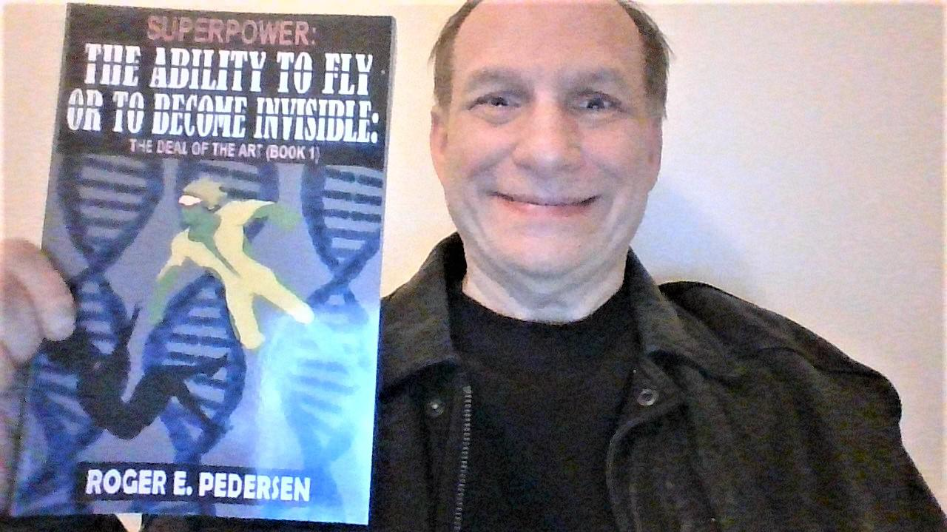
Roger E. Pedersen’s “SuperPower: The Ability to Fly or to Become Invisible: The Deal of the Art”
SUPERPOWER WEBSITE: PSIPUBLISH.COM
The book is for anyone interested in exploring the depths of human nature, the complexities of morality, and the potential for transformation. Roger E. Pedersen masterfully puts together elements of suspense, ethical inquiry, and personal growth, creating a narrative that is both engaging and deeply relevant.
Roger E. Pedersen’s “SuperPower: The Ability to Fly or to Become Invisible: The Deal of the Art” is a compelling exploration of human courage, ethical dilemmas, and the deep impact of extraordinary abilities. Through the gripping tales of Brett Summers and Paul Spence in the book, he invites readers to raise important questions about morality, survival, and the essence of human nature.
At its core, the novel is about resilience. Brett Summers, a character who faces a series of devastating setbacks job loss, divorce, homelessness personifies this theme. His life takes a dramatic turn when he discovers his power of invisibility. This newfound ability opens doors he never imagined possible, leading him into both dangerous and rewarding ventures. Brett’s story is a proof to the human spirit’s capacity to adapt and persevere, even in the face of overwhelming adversity.
The book delves deeply into the ethical implications of possessing SuperPowers. Brett’s invisibility allows him to steal food to survive and later, to steal evidence to help a lawyer escape legal consequences. These actions raise important questions: Is it justifiable to commit illegal acts if they are born out of necessity or desperation? How far would one go to alter their fate? Through Brett’s journey, readers are prompted to reflect on their own moral compass and the choices they might make in similar circumstances.
Whereas, Paul Spence’s storyline further complicates the moral idea. Tasked with a mission involving risk art theft, Paul uses his invisibility to scout the Metropolitan Museum of Art. His plans require freeing a skilled hacker from prison, adding layers of intrigue and ethical quandaries. Paul’s actions challenge readers to consider the boundaries of right and wrong, and the potential consequences of crossing those lines.
In today’s modern world, often riotous world, the themes explored in his novel are highly relevant. The feeling of being unseen or undervalued, represented by Brett’s invisibility, connects with many who struggle for recognition and respect in their personal and professional lives. The story’s exploration of ethical dilemmas mirrors real issues, where individuals and societies grapple with complex moral decisions.
Moreover, the novel’s portrayal of strength is particularly important in an era marked by economic uncertainty and rapid change. Brett’s and Paul’s stories serve as reminders that even in the darkest times, there is potential for transformation and hope. Thus, the readers should not loose hope and work towards their goal.
His novel invites readers to engage in an interesting exercise: How would you handle the power of invisibility or flight? Would you use it for personal gain, to help others, or perhaps both? This interactive element encourages readers to place themselves in the characters’ shoes, developing a deeper connection to the narrative and its themes.
One of the most impactful quotations from the novel captures the essence of Brett’s realization: “We are all in the same boat, fighting Mother Nature and Father Time! Resistance is truly futile.” This statement captures the universal struggle against forces beyond our control, highlighting the shared human experience of facing life’s challenges.
The book is for anyone interested in exploring the depths of human nature, the complexities of morality, and the potential for transformation. Roger E. Pedersen masterfully puts together elements of suspense, ethical inquiry, and personal growth, creating a narrative that is both engaging and deeply relevant. As readers follow Brett and Paul’s journeys, they are invited to reflect on their own values and the power of resilience in their lives.
In a world where we are constantly confronted with moral choices and challenges, his novel offers valuable insights and a compelling narrative that will connect long after the last page is turned.
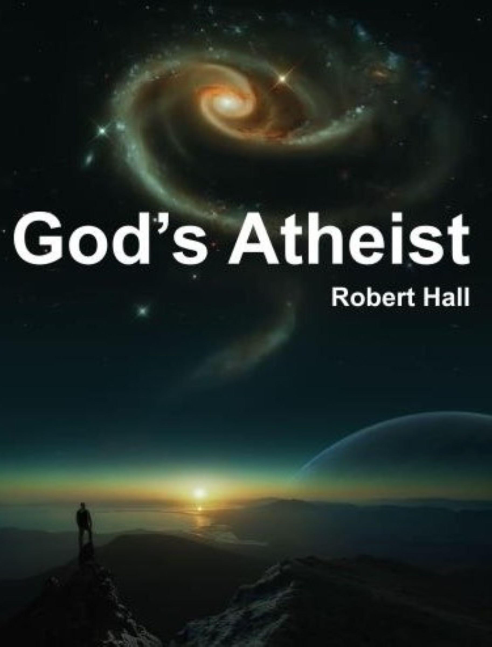
God's Atheist
Preface
I am God’s atheist, a skeptic who finds the Bible’s narratives implausible and absurd. The notion that Jesus died for my sins and the concept of Hell seem utterly preposterous. Twenty-one years ago, my wife Mary Jo and I were on our first cruise, celebrating our second honeymoon after twenty years of marriage. Mary Jo was the light of my life, a woman whose laughter could brighten the darkest days and whose kindness touched everyone she met. As we danced, she suddenly collapsed and died at the age of 43. The pressure changes from our flight had dislodged a blood clot, which struck her heart. I watched in utter disbelief as her midsection grotesquely swelled, and a torrent of fluid erupted from her mouth, spraying over ten feet. It was as if a dam had burst within her, unleashing a flood of sorrow and shock that still reverberates through my soul.
The absolute insanity of the nightmare I witnessed is still painful to remember. The word surreal somewhat explains the devastation of my world but not adequately enough.
With that being said, I’ve acquired the knowledgeable wisdom that we are entering into an era of magnificent beauty, perfect harmony, perpetual joy, growing wisdom, pure truth, unending peace and unconditional love. Bob
Chapter 1: Logic

I’m 71, when I was very young my mother taught me a little prayer, “Now I lay me down to sleep I pray to the Lord my soul to keep, if I should die before I awake I pray to the Lord my soul to take.” So as a toddler the belief in a higher power was instilled. Upon reaching puberty, the discussion of God would come up and several of my friends commented, “Yeah, well where did God come from? I don’t believe any of it.” I certainly couldn’t answer that question but silently retained my belief in a higher power. My junior and senior year in college I developed an interest in higher end mathematics, calculus, geometry, advanced algebra and quantitative methods. I aced these classes because I enjoyed the logic of math. One plus one always equals two and there were no gray areas. Enjoying the reasoning of how one could determine the volume metrics of how much air was in a room was fascinating to understand. I graduated with a degree in finance and should have gone into engineering. But, I was somewhat lacking in common sense. Logic is the truth.
Chapter 2: God: The Most Discussed Subject Of All

Today, let's reason together and use logic concerning the subject of God. We must agree that the whole issue of God is the most discussed by all of humanity. I am intellectually in total agreement with an atheist's thought process. I was very fortunate to have been raised in a small Ohio town by a mother and father who were old enough to be my grandparents. Mom was in her late forties and thought she had cancer. She always referred to me as her little tumor. Dad was born in 1897, mom in 1904. Growing up, we seldom locked our doors as there was no need and virtually zero crime. Today I look around and what do I see? Major cities with vast homeless populations living in tents. When I was a teenager marijuana was the drug of choice, today it's fentanyl. In my 71 years I’ve witnessed numerous wars, the oceans being dumped with plastics that will never dissolve, vast corruption within the leaders of our nation and the world in general, an unending barrage of advertisements in all media to buy this and must have that. A prison population that is the largest in the world because prisons are for profit. A health care industry that is also centered around the almighty dollar. I saw a poster of a future doctor reading on his first day in medical school, “A patient cured is a customer lost.” Cancer patients being pumped full of drugs that simply do not work, chemotherapy destroys the immune system and is over 90% ineffective. Why is it administered? Money. I’ve watched mega church ministers preaching about Jesus. One needed a new swimming pool for his $750,000 estate so he could baptize the new converts, the congregation happily gave. One of the wealthiest organizations on the face of the earth is the Catholic Church. Why? They’ve indoctrinated entire populations to tithe so they won’t go to Hell. I’ve seen Christians going to church every Wednesday and Sunday pointing their fingers constantly all through the week at the sinners. That prostitute is going to Hell, she better get right with Jesus. God help that drug user's soul. These people will certainly wish they had listened to the good news of the gospel now that they’re burning in Hell forever. I’ve read that Hell is a place of demons, darkness, fire, pain, torture and unending increasing agony. Forever. I’ve known numerous people full of anger, rage, jealousy, hate, fear, anxiety, hopelessness, and deep depressions. I’ve had several close friends commit suicide and I’ve also endured the dark night of the soul where nothing means anything, all hope is gone, unrelenting loneliness and extremely deep re-occurring depressions. I came very, very close.
Chapter 3: Hell Is A Lie

Any rational thinking individual looking at all this must reasonably say, “If God made all this, I want nothing to do with it because it’s insane.” I’m logically in total agreement with the atheists viewpoint. I believe George Carlin is the greatest comedian who has ever lived. He always explained the truth but in a hilarious fashion, he’s an atheist. An Invisible Man In The Sky .Years ago I taught an adult Sunday school for over a decade, I am extremely familiar with Biblical doctrine. I never mentioned Hell because I didn’t believe in it. My ingrained higher power belief simply became, God Is. How could the eternal Source of Love make a place of unending torment? He didn’t, Hell is a lie. The concept of Hell and Satan was simply made up. Centuries ago a council of scholars, on the advice of the Romans, agreed on the idea after Christianity had been declared the empire's religion. This would help keep the ignorant masses in line and be a good reason for them to give money. As I mentioned earlier, that worked well, considering the massive wealth of the Catholic Church. I’ll inform you of another little truth that is no longer a secret. God did not make this universe and isn’t even aware of its existence, the pure logic of this statement will be explained later.
For the atheists' consideration, have you any idea how extremely powerful your mind is? Everything we’ve seen, heard, tasted, smelled and touched from the moment of birth is stored within our subconscious. We’ve all had the experience of trying to remember a name and couldn’t. Several days later the name pops into the forefront of thought. The reason this occurs is we’ve placed into our database the question, when the answer is found we’re consciously aware. If you’d like a more peaceful life, put positive into your mind instead of negative. This is the reason I haven't watched network news for over 20 years, all they talk about is the negative because the public is comforted by seeing others worse off than themselves. Great for ratings.
Chapter 4: We Are All Bipolar

The truth is we are all bipolar. Our right mind, spirit, is based on love, and our wrong mind, ego, is based on fear. Fear of what? In the deepest part of our subconscious, God. Once we have consciously accepted the truth that God Is. Now what? We start school. In this school, we’ll learn through experience the fruits of our ego: fear, resentment, anger, laziness, and hatred. Our school also teaches the fruits of our spirit: love, acceptance, peace, energy, and empathy. A peaceful mind is our natural state. If we’re growing more peaceful, it’s proof we’re on our correct path. The economy, world affairs, crime and drug issues, will become just mild interests. This is the truth because I’m experiencing it. So where did our ego come from? Hold onto your tickets, before explaining I’ll share my source of information.
There are many manuscripts of the Bible. For the New Testament alone, there are about 5,500. If we include lectionaries, which are Bibles arranged in the order they were read in the ancient church rather than in canonical order, then the number grows dramatically. Additionally, there are over 24,000 manuscript copies or portions of the New Testament in various languages including Greek, Latin, and others. The Bible is a collection of 66 books written by about 40 different authors over approximately 1,500 years. These authors came from diverse backgrounds and wrote in different languages on three different continents. Many of the writings are simply not true. For example, Romans 9:21 says, “Does not the potter have the right to make from the same lump of clay one vessel for special occasions and another for common use?” The potter is a reference to God, the vessel is us. “One vessel for special occasions” means Heaven. “Another for common use” means Hell. In other words, if one lives a loving, caring, giving life but was made for common use; that person is going to experience agony in an eternal Hell and there is nothing he/she can do about it. This is utter and complete nonsense. The Old Testament is constantly talking about a jealous and vengeful God full of wrath. The terms omnipotent and omnipresent are used to describe two of the divine attributes of God. Omnipotent means all-powerful and refers to the belief that God has supreme power and is not subject to physical limitations like man. Being omnipotent, God has complete authority over wind, water, gravity, and physics. His power is limitless. Omnipresent means present everywhere and refers to the belief that God is capable of being everywhere at once. Once again logic must ask, Who would God be jealous of ? Me? You? The Beatles? So the Bible was written by forty different people over a thousand years and re-interpreted to many times to list.
Years ago, the lady I was living with came home from the library with a book simply because she liked the title. Beth was working on her master’s degree and is highly intelligent. The manuscript has 413 pages, and she read it in two days. I also found it a fascinating study but took much longer to read. The Disappearance Of The Universe was written by Gary R. Renard. It’s a record of 17 mind-bending conversations that took place over nearly a decade between Gary and two Ascended Masters who materialized before him in 1992. They revealed some shocking secrets of existence that taught the miraculous powers of advanced forgiveness. He’s learning the stock trade and a professional guitar musician. He was in his Maine home during Christmas week and his wife Karen was at work. They have no children. Sitting in his living room, looking out the picture window, two people suddenly appeared and were sitting on the couch. Male and female, Arten and Pursah. This is how the book starts. When I first read this, I thought, “Yeah right, this has to be fiction.” It's non-fiction. When I started reading Disappearance, a huge red flag occurred. The basis of Christianity for over 2000 years is that Jesus died for our sin. Gary stated that this is not true. All those years ago, I had to come to a conclusion about this critical issue before reading any further. I stopped reading and started meditating. After several weeks, the answer came to me immediately after waking from a restful sleep and a dream I couldn’t remember. I knew the dream had been about my wife Mary Jo but couldn’t remember any specifics. At that time she had been dead for seven years. You may not believe this, but I know she answered my question. I somehow heard her say to me, “Bob, let's say you had been watching me horribly moan for 10 minutes while I was experiencing a nightmare. You didn’t want to suddenly wake me because you know how startled I startle. When I finally came out of it, you asked what the dream had been about. I explained I had been a horrible serial killer who received immense pleasure from skillfully torturing victims for many long hours before granting the release of death. Honey, did I sin against God?” “Of course not, you were dreaming.”” There’s your answer.” I proceeded to resume studying Gary’s manuscript and will explain the logic of all this. He mentioned ACIM numerous times, if interested I highly recommend reading Disappearance first.
A Course In Miracles (ACIM-1333 pages) by Helen Schucman is in my opinion the most profound and truthful spiritual manuscript ever written. Christians are looking for the return of Jesus, he has returned via these magnificent writings. Dr. Helen Schucman began receiving the material for The Course quietly over eight years, from 1965 to 1973 at the age of 43. During this time, she was an associate professor of psychology at Columbia University’s College of Physicians and Surgeons. Schucman said that the book had been dictated to her, word for word, via a process of inner dictation from Jesus. At first, insanity crossed her mind so she asked this voice extremely difficult questions. To her amazement all were answered correctly. This is a self-study spiritual curriculum that presents a way of life based on contact with the Holy Spirit. ACIM teaches what the Bible truly means. I have studied and written about The Course for over fifteen years and have found nothing that is not logically true, I cannot say that about the Bible. ACIM explains how our ego came to be. The Course was written by one woman over eight years and never re-interpreted. Foremost, we do not need saving from a non-existent eternal torment. We require saving from our ego. So God Is, now what?
Chapter 5: The Big Bang
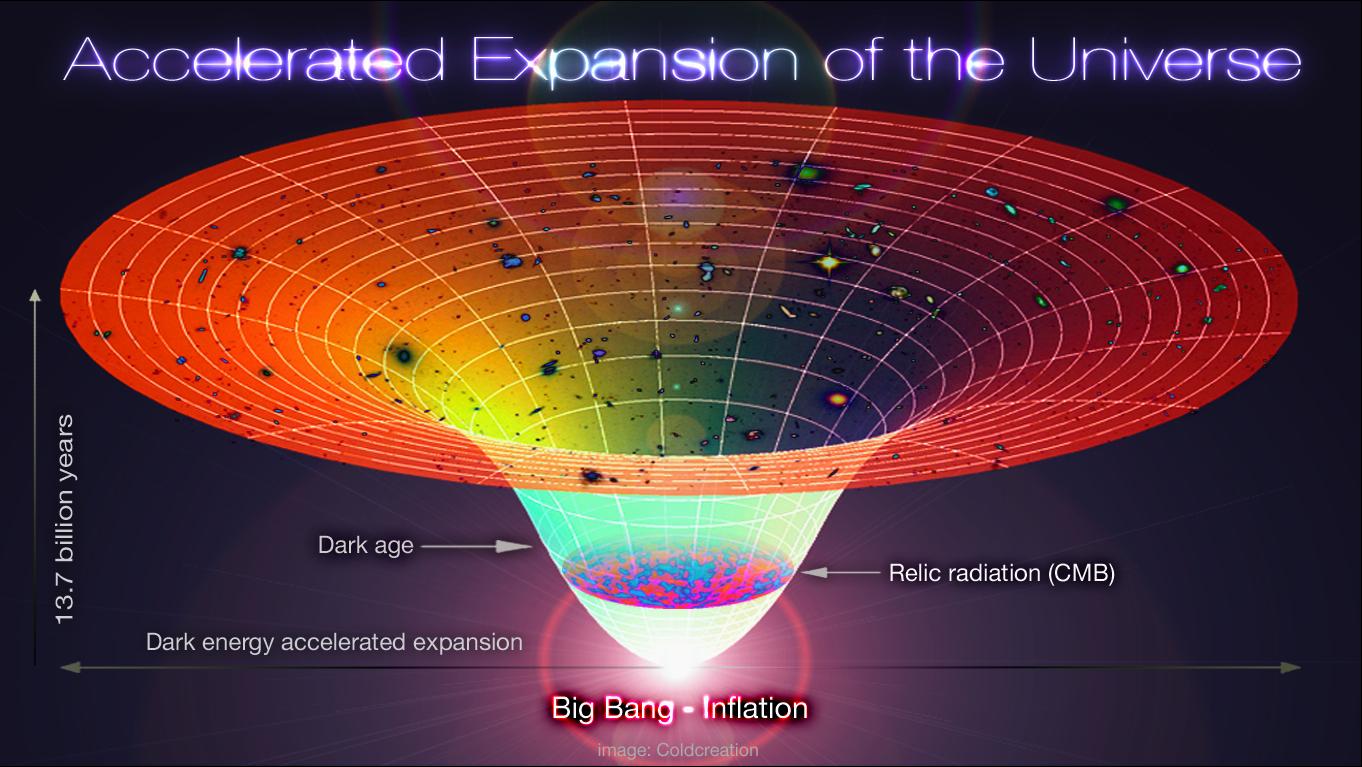
The Big Bang. We’re taught that astronomers believe the universe began as a singular point and expanded to the size it is today and still growing. So everything came from virtually nothing? We’re also taught the concept that most scientists believe that RNA, or something similar to RNA, was the first molecule to self-replicate and begin the process of evolution that led to more advanced forms of life, including human beings. What? So this is the answer to millions and millions of aquatic creatures, birds, animals, and humans? Scientists believe the earliest life forms we know of were microscopic organisms, microbes, that left signals of their presence in rocks about 3.7 billion years old. These scientific theories only strengthened my belief in a higher power. If you think about and study these two believed explanations of all life everywhere, they make no sense until you come to the amazing understanding there was a powerful intelligence behind the Big Bang. Christ. If this statement has spiked your curiosity please read on for the reason Christ made the first ego. Jesus’s last name is not Christ, his name is Jesus of Nazareth. He understood perfectly that he was one with Christ, so are you, so am I and so is everyone who has ever lived. Christ is much more than just a name, it's a state of being. In other words we are not frail and limited human beings, we are incredibly strong and unlimited Christ Beings. Forever. I once read the time it would take a hummingbird to fly around the world and from the friction of its wings to wear the world into dust, eternity is just beginning. My friend, that is a long time.
ACIM states that it is even beyond its teachings to fully explain what Love actually is. However, with logic and reasoning we are given glimpses. Let’s discuss a Love that Is absolutely perfect. A Love that Is beyond purity, immeasurably magnificent and beautiful, immense total power, all knowing, all seeing, everywhere, outside of time, forever unchanging, cannot conceive of any loss, eternal, and always giving an unlimited joy and contentment and happiness. Totally complete in and of Itself, with a perfect light that extends to all existence. We are a part of this forever. Every time we hold open a door, offer our place in line, give to the beggar on the highway, turn the other cheek we love. When you’re smacked in the face either physically or verbally and don’t strike back you’re doing the exact opposite of what’s expected. Perhaps, down the road, when they’re on the receiving end they’ll act differently because of remembering your response. Ever non-partially listen to two people arguing? Neither is listening to what the other is saying because they’re thinking of a response. When you come out of an argument, do you feel good? I never argue because it's pointless. I’ve been banned from Christian groups on Facebook for the heresy of not believing in hell and atheists have called me insanely stupid for believing in God. To me, it's all good, I know what I know. To explain the logic of all this I wrote the following fictional story utilizing the teachings of ACIM. The statements about the black hole and what Christ thought about Jesus are of course my imagination.
Chapter 6: My True Fictional Creation Story

“Whoa, why is this? Who am I? Another answered, not by voice, but somehow He heard. You’re My Son. What’s a Son? You’re my very first creation. What does creation mean? I’ll show You around after a little more creating. You’re also My only joy. Astonishingly, He knew what joy was and felt absolutely wonderful. This Being started to share the very essence of Who He Is, and suddenly, He started to learn and comprehend very, truly, extremely fast. He mysteriously understood atomic forces, protons, electrons, neutrons, neutrinos, recurring and changing inorganic and organic molecules. He comprehended amino acids and the forces that regulate all. Vistas of astonishing beauty opened up for Him. He became ecstatic while gazing at forests, oceans, rivers, lakes, mountains, skies, worlds, suns, stars, galaxies, and universes. He was everywhere with this magnificent One. He asked, Who are You? I Am was the reply. He instantly comprehended His own name is Christ.
He became aware this is His Father, Whose very nature is to give and teach all He knows, and He knows everything. Christ knew He was not in any way separate or different from God and understands He is not a part of God but an extension of the whole. He knew love must be shared, and the love that is shared in His Father’s universe is exquisite and beautiful. Oh, the joy and laughter as They completed One Another. Christ supremely became as powerful, compassionate, wise, knowing, limitless, and most importantly as loving as His Creator. They are inseparable and continue to co-create vast galaxies and universes. However, due to the infinite wisdom of I Am, they stopped short of creating life to populate all that is. In Their beautiful Minds, They knew exactly what to do when God would say the moment was perfect. They envisioned all aquatic life, myriads of different flying species, all animal life, and the harmony of the varying interconnected environments all would live in. Their creations were also to be gifted with the ability to co-create. Each after their own kind. All of this would happen in a nanosecond, just as Christ had been created. There was no concept of time or space for They were everywhere, and They were One. God has created Christ to be exactly like Himself and to share His eternal love and joy in a state of unencumbered, boundless, and unimaginable ecstasy. Any question the Son asked was instantly answered as Their communication was perfect.
Then somewhere, somewhen Christ asked a question that was not answered. What? Why? The question was like,” What else is there?” or “What would it be like to go out and play by Myself?” I Am did not answer because there is nothing else, but God’s perfect creation. The Divine Son became horrified, certainly an awful new feeling previously unknown. He mistakenly thought His perfect communication was completely gone. Then He experienced a vastly more terrible knowing. Fear. Christ instantly created a universe of His own where He could hide. The Big Bang occurred, composed of billions of fragments. He needed somewhere deeper to escape, so He made the first human bodies after His Own Image and placed His magnificent Mind into all of them. The first ego was spawned. This Mind believes that it is completely on its own. Christ also actualized all the animal life, countless aquatic creatures, the avian companions, and the harmonious environments they would all co-create in. The idea of duality could not be carried out in God’s Reality, so Christ created a universe of illusion and entered it as if falling asleep and dreaming.
Because They were no longer perfectly communicating God thought, “My Child is asleep and must be awakened.” But there was a major problem. Whatever God places His attention on becomes as if it is real. If God entered the dream to redeem His Son, then the dream would become real to Him as well, and He would also be trapped. There would be the risk of both the Father and the Son becoming eternally separated from their true Home and losing Their Identity. In other words, if God Himself were to acknowledge anything except the idea of perfect oneness, then there would no longer be perfect oneness. To solve the problem and allow God to keep His attention focused on Reality, He created a special agent, the Holy Spirit, Who would be a bridge between the two states of existence and the answer to the perceived separation. The Spirit was created with the miraculous ability to view God’s perfect Heaven while also viewing the Son’s imperfect dream. The Holy Spirit knew the original Christ Mind had created a black hole and was attempting to achieve nothingness, His fear was that immense. The brilliant light of God completely shattered the darkness and Christ began to love Himself again and woke up in the Heaven He never left.
So now Christ who is once again learning from the Father is thinking, “I’ve learned much from my first question of “Whoa, why is this?” I must help the children I have made who are sleeping.” Thus enters Jesus into our dream illusion. The Son thought, “I’ll have Jesus be born of a virgin, and he’ll be able to perform what my children will call miracles.” Christ knew He had been healed by the Holy Spirit, so the same Spirit conceived Jesus in Mary’s womb. Furthermore, Christ reasoned, “I’ll ask the Holy Spirit to descend on Jesus in the form of a dove after he’s baptized by John. I’ll have him led into the desert immediately after his baptism and live for 40 days and nights without food or water.” He knew His children would mistakenly think the reason was to be tempted by a Satan which doesn’t exist. Christ also thought, “I’ll have Jesus trained in the wilderness to only listen to the Holy Spirit; thus his ego will be totally eliminated. Jesus will be the only one in time who will completely manipulate his dreaming. He’ll walk on water, calm the seas, feed the multitudes, explain magnificent spiritual truths, heal the paralyzed, the blind will see, the deaf will hear and best of all, he’ll raise the dead. This will prove to my children that death is an illusion, especially after he will live again after his crucifixion.” He knew unfortunately His children would think he died for their sins. My Father knows nothing about my false universe and doesn’t even know what sin is. He understands, “I’ll have the same Holy Spirit Who healed Me, have Jesus thoroughly understand he is One with Me as I am One with Our Father. My creations will eventually understand the same Truth. When the last mind is healed and the false universe vanishes, My Father and I will receive great pleasure and joy in teaching our beautiful Children the perfection of Their being. Forever. They’ll understand Love is not an emotion but the most powerful force in all creation.” Jesus said while dying, “Father forgive them for they know not what they do.” He knew God doesn’t forgive because He sees nothing to forgive. This was said to put into the collective human consciousness the beauty and importance of forgiving.
Here’s another fictional story I wrote.
Chapter 7: An African Mother

Let’s say you’re an African mother living in the jungle in the year 1694. You’ve been with your man 17 years and have 4 children. You work hard and are 48 years old. Not easy raising 4 children and a sometimes childish husband in this sweltering hot environment. All in all, life is good for you, and you laugh much more than you cry. One day, some white folks come into your village who are missionaries. They seem like nice people who have great food and smile a lot. They begin explaining about some man named Jesus who lived thousands of years ago. They tell you he walked on water, the blind could see, the deaf could hear, the paralyzed could walk, he raised the dead, and after he was hung on a cross to die, he raised himself 3 days later. Now these well-meaning people tell you he died for your sins, and you must believe this, or you’re going to eternal Hell. You ask, “What is sin?” They tell you. “What is Hell?” They tell you. You go to bed that night thinking this newfound information is a little absurd. This whole stuff sounds pretty out there to you. Who on earth came up with all this? You’ve lived a hard life but a good one. You have no enemies, many friends, loving children and a good hardworking and caring husband. Why on earth did these people tell you about this Jesus person? You’ve made some mistakes but now you’ve been informed these are sins. When you had asked what this sin stuff is about, they informed you that you’ve sinned against God. You asked, “What’s God?” They explain God had made you. You had thought all this time that your parents had made you. Also, this God who you have never seen is furious with you and is going to send you to a place of unending pain and misery. Forever. However, you’ve been told some good news. All you have to do is believe in Jesus, who died for the sin you didn’t know you had done. So, now you’re thinking, this God sent His only son to earth and commanded him to endure torture, suffering, and death? You don’t want anything to do with any of this nonsense. You had even begun to feel guilty about mistakes you were informed were sins. You had never felt guilty before and certainly do not appreciate the feeling. You truly like these kind-hearted missionaries and are a good judge of character. You never lie and always tell the truth. The minister asks you if you believe in Jesus. You tell him you’d rather not, as you were doing better before thinking about their so-called truths. They left. For several years you had been somewhat angry with the missionaries because they had disrupted your peaceful mind. You had started discussing this issue with their God after they had taught you how to pray. You understood the concept of forgiveness because you’d certainly forgiven your husband and children countless times over the years. To your astonishment when you told God you’d forgiven these folks, a feeling of amazing joy and peace briefly enveloped you and vanished. Over the next decade you and God became quite close, and you considered Him your best friend. You knew God understands your unchanged feelings about the sin issue and the death of Jesus. Years later, you reach the nice old age of 94 and die in your sleep. Where are you now? Atheists will say “in the dirt”. Born again Christians, “Eternal Hell.” I feel the atheists have a much better response. A third glorious answer, “Enjoying the magnificent perfection and love of Heaven, forever.”
Chapter 8: My First Writing Came From A Dream

Fifteen years ago, I had a dream about Mary Jo and immediately wrote it down. All I could remember was, What if I told you? and wrote this in 25 minutes on my phone’s memo pad. The words just flowed without thinking. I know they came from Mary Jo because I wasn’t yet familiar with A Course In Miracles, but this writing coincides exactly with ACIM doctrine.
“What if I told you? What if I told you love is not an emotion but a force? What if I told you, God Is? What if I told you nothing can affect Reality and nothing unreal exists, therein lies the peace of God? What if I told you there is no hell, only Heaven? What if I told you, you make your own hell? What if I told you all you see is an illusion, compared to the reality of Heaven? What if I told you death is an illusion, you live forever? What if I told you God does not forgive because Source sees nothing to forgive? What If I told you if God made anything imperfect, He/She would no longer be perfect, therefore you are perfect, you have simply forgotten? What if I told you, you are dreaming in Heaven and are about to wake up? What if I told you as you help you are helped, as you give you are given too, as you love you are loved? What if I told you, you go through pain to teach you what you do not want? What if I told you, as you forgive others, you are forgiving yourself? What if I told you forgiveness is the final lesson you need to learn? What if I told you nothing you can do offends God because you are merely dreaming? What if I told you there is no such thing as sin? What if I told you Spirit heals your mind and mind heals your body? What if I told you, you need no one to make you whole, you are whole? What if I told you, you have a twin flame, you may not have met yet? What if I told you we are all brothers and sisters, we are one? What if I told you, you are love, because you were made by love? What if I told you, you are forever the Divine Effect from Divine Source? What if I told you, you are Infinitely powerful, you have simply forgotten? What if I told you, you are part of the Mind of God, Source has not forgotten you? What if I told you, Heaven would not be complete without You? Would you forgive and believe? Read that again.”
Chapter 9: The Meaning

Let’s reason together to understand what this all means to humanity in 2024. There is a vast difference between being spiritual and religious. Spirituality is for those who have experienced hell, the religious are those afraid of going there. I’m the former. As I reflected on my thoughts, it became clear to me that we are destined to become Co-Creators with God. This insight came despite my ego’s persistent claims that such a belief is perfectly insane. We’ll awaken from our dream in the Heaven we’ve never left after we have achieved perfection in forgiveness. Jesus explained to Helen in ACIM that he is not to be worshiped, just highly respected. The only difference between him and us is what is potential for us is his Reality. He has God and nothing else. Jesus explained in the Course that he set in motion over 2000 years ago the principle of the Atonement. This is the knowing that the one problem that ever existed was perfectly solved. We are not separate from God in any way, never have been and never will be. This is impossible for we are One with Source and have simply forgotten.
Let's say you and I are strangers and enjoying a cold beer on a hot summer afternoon in a quiet little bar. We strike up a conversation and after an hour the alcohol is mildly kicking in. I say, “Our discussions are quite enjoyable, I’d like you to know something about me.””What’s that?” “I’m perfect.” Suddenly you remember you have an errand to run for your wife and can’t miss dinner. While driving home your thinking, “Wow does that guy have issues, he needs professional therapy.” However, perhaps you happen to be God. The response would be, “Thank you my Son, I know, because this is how I created you.” If God made anything imperfect He/She would no longer be perfect, therefore we are perfect. Yes we make mistakes in our dreams, but this doesn’t negate our perfection in Heaven.
A bit of trivia, Jesus had been married to Mary. Under Jewish law, only the wife could anoint the body. As I mentioned earlier, eventually we will evolve into a Co-Creator God Consciousness Being. It is a natural process to unfold into this state. There is so much we can learn by observing nature and all her teaching lessons. In all of nature, there is never a hurry to quicken a process as everything is always perfect in every moment and when the time is right, the rose will bloom. The Universal Christ Mind is constantly communicating with all creation in every moment. For the kingdoms without free will, this connection is called innate intelligence when the guidance comes directly from the Universal Mind. The guidance for a beaver to build a dam, a bird to build a nest, a flock of birds to fly in a V Formation, the spider to spin her web, or the hibernation of animals in the winter. The timing always comes perfectly. All these life forms are always in Christ's presence in every moment. This guidance is perfect, and it represents harmony, balance, order, and unity for the good of all. Nature comes together to represent the synchronicity of the Oneness as life unfolds. These kingdoms, mineral, plant, insect, animal, and angelic, do not have free will and are directly connected to the Christ Mind and stay consciously aware at every moment. Everyone on Earth is also directly connected to this Mind but have not yet learned to stay consciously aware. Before coming to Earth we were also connected to the Son's Mind through Innate Intelligence, but when we came to Earth we were gifted with free will, the ability to manifest using a conscious mind and learning to discern using the five senses and reasoning. Once understanding we are always connected to the Universal Mind and never separated from the Oneness of life, we’ll learn to trust our feelings and reconnect to understand our perfection.
Gary Renard is also the author of Your Immortal Reality. In his writing, Gary explains, “Imagine you’re watching TV and you forgive a news story you see. The Holy Spirit then spreads your forgiveness throughout the mind that projects the universe, and through the projection itself. This act cuts through unconscious guilt and its karmic projections like a laser beam, affecting all your past and future lives, every dimension of time, and every parallel universe that seems to exist. As you practice forgiveness, the Holy Spirit collapses time, erasing the lessons you would have needed to learn. Although you might think, “This is boring, nothing’s happening,” something extraordinary is happening. Our ego is like an onion, peel away a layer, and it still looks and smells like an onion. The more you forgive vast layers of the ego are being peeled away, and your ego is disappearing. If you persist in practicing forgiveness, you’ll eventually reach the final layer of the onion. Once that layer is gone, the onion and the ego vanishes completely. After your final forgiveness lesson, the ego is gone; it's been undone, and there's nothing left to interfere with your experience of Who You Are. There's no reason for you to reincarnate in your dream. Practicing forgiveness the way I’ll continue to instruct you is how to break the cycle of birth and death. Perhaps a close friend was planning on stealing from you tomorrow, but this does not happen. The reason being you had already forgiven a closer friend who had stolen in the past. A lesson learned does not need repeating.” Your Immortal Reality.
Each time a baby appears to be born into this world, it is merely reliving the time when it seemed to leave its perfect environment in God, where all was Nirvana, and it was completely taken care of and provided for, and then suddenly found itself slapped in the face by a seeming reality that was a living hell by comparison. We may consider birth to be a miracle, but babies don’t come into this world smiling, do they? They come in crying and screaming. The mind that is reliving the seeming separation has actually fallen asleep and is dreaming an idle, insignificant dream, or nightmare because anything that seemed to be apart from Heaven would have to be symbolic of an opposite to Heaven. It would thus seem to include opposite characteristics. There’s no doubt we believe we’re experiencing reality here. We must be shown the way out of this experience. Our “asleep at the wheel mind” doesn’t know it, but it’s going to wake up in the equivalent of a cosmic instant. That is because the Voice for God and Heaven, which we now understand is the Holy Spirit, is always with us to remind us of the truth and call us to return. This fail-safe memory of who we really are can never be lost, making an awakening to the Reality of Heaven completely inevitable. We have the power to choose the memory and strength of God or something else instead. That is what the part of our mind that decides did immediately after the seeming separation. Out of shock, fear, and confusion, it made a series of unwise choices that resulted in us appearing to be here. We still don’t realize that, given the remarkable power of the mind, certain choices made by us could end the seeming separation, and could have at any time. This means that we are capable of accomplishing it, with beautiful help from The Holy Spirit. God could not have created this world. It would not be in His nature for He is not cruel. If this were the real world, God would be cruel, for no Father could subject His children to this as the price of salvation and be loving.
Chapter 10: ACIM Fourteen Core Beliefs
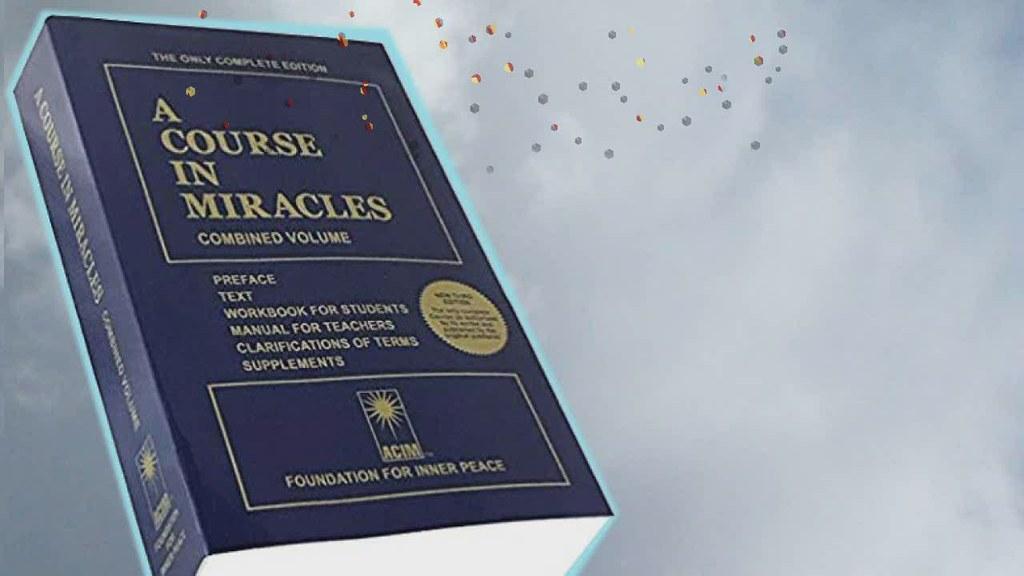
1. This world is not real. God did not create this world nor even know of its entire universe is an illusion dreamt by the Son of God.
2. Pure non-duality: Anything that comes from God must be exactly like Him. God could not create anything that is not perfect, or else He wouldn’t be perfect.
3. Consciousness is the domain of the ego and was conceived after we dreamt of separation.
4. Spirit is unchanging, perfect, and eternal. This is the state of Heaven.
5. Truth is not different for everyone. Truth is truth.
6. There are no levels in Heaven. All conflict arises from the concept of levels. We are either enlightened and back in reality with God, or still dreaming of separation. Only life in Heaven is real.
7. Life in all its myriad forms or possibilities is already scripted at the instant of separation. The only choice is in our mind, where we decide to identify with the Holy Spirit or with the ego, when interpreting each moment.
8. Life in this world is insane. Nothing makes sense in this world. The world was made as an attack on God.
9. There is only one higher self, the Holy Spirit. Also known as the voice for God, our memory of God, or the reflection of God’s love in our dream.
10. Collectively, we are the Son of God. God created only One Son of God.
11. There is no evil or devil, only illusory madness projected by our ego mind and thankfully, they are not real.
12. Every attack is an attack upon ourselves. We project our unconscious guilt onto (dream) figures or situations that seemingly attack us. So now they are guilty, not us.The cause of our guilt arises from our imagined separation from God.
13. Life is a lesson. Every opportunity is used by the Holy Spirit to teach forgiveness to undo the ego mind.
14. Time and space are illusions, and Spirit has nothing to do with them.
Chapter 11: How Do I Know?

I’ve read that it doesn’t matter one iota to God if we believe in Him or not. The only thing He asks of us is to forgive. How do I know all of these teachings are Divine Truth? Because I have applied them to my daily life, and am experiencing a deeply real and continually growing peace. I have discovered the beauty of living in the now. My ego wants me to be living in the past and concerned over the countless mistakes I made, and more importantly desires me to be very worried about the future. If I’m living in the past or worried about the future, I’m not talking to the Holy Spirit now. When we live in the moment, absolutely nothing can harm us. Put this into practice and you will understand by personal experience. ACIM calls this the Holy Instant. So how do we eliminate our ego? The beauty of God’s grace informs us we eliminate our ego by the simplicity of forgiveness. This certainly didn’t happen overnight, but I started forgiving the guy blaring on his car horn, the cashier talking on the phone, different friends who stole from me, the two ladies who broke off our separate marriage agreements, the manager who fired me because I intimidated him for knowing more about his job than he did. The heroin addicts I lived with for over a decade that cost me everything I owned because I was an enabler. By constantly forgiving, I was systematically and permanently eliminating another of my ego’s layers. Another very important tactic to guarantee its elimination is never talk or listen to it because this makes it real to you and it’s not. Whenever you’re sorrowful, depressed, indulging in self-pity, angry, worried, anxious, hating, jealous or fearful; you’re listening to your screaming and lying ego that wants you absolutely miserable. Forgive all and pay it no mind, always.
Epilogue

I don’t know when it became unimportant to me if it’s raining or sunny or what time it is. The day of the week means nothing, and I couldn't care less what month it is. Politics, inflation, the state of the economy, relations between countries, the drug explosion, the healthcare system is simply of no consequence to me anymore. It no longer matters if I sleep a lot or very little. I do not worry about money, as it’s always there when I need it. I haven't owned a car in years. I rent and all I own is a T.V., cell-phone and clothes. I’ve lost over a half million dollars in real estate, and wasn’t upset at all. I find I have a grateful attitude for good health and my cup is half-full. I no longer worry about anything and fear nothing. I have no guilt. I never argue. I have no enemies and many friends. I’m perfectly fine being totally alone and am never lonely. I love that one. It doesn’t matter if folks read my writings or not. I still write. If friends call, great. If they don’t, great also. I smile a lot. These writings are what I dwell on and if you read with an open attitude the growing positive attributes I’m experiencing will happen to you as well. By living and applying these words to your life, you become awake in your dream. When you finally achieve perfection in forgiveness, God will awaken you from your dream. This is a guaranteed fact.
I pray we begin to see the attributes of Christ in everyone we meet.
“Gandhi said, “Be the peace you want to see in the world.” We decide it and bring it to our experience. It just “seems” to be the other way around. When I integrate the goal of peace into my everyday life, it soon becomes a beacon of light making the way clear. For me, this journey is a cleansing of the window to the Soul. We are the Infinite Peace of God. The Truth of us is like a pure and beautiful screen of Love. It is always innocent and peaceful and shines out from the mind embracing everything it sees. It brings me back to the Home I've never really left. When I think of the many attractions of the world and all of its temptations. Peace is now the only one that draws me in. Nothing else makes any sense to me anymore. Peace brings with it the awareness of the Love of God. I am the perfect, loving, and unlimited extension of God. Only my thoughts and beliefs would convince me otherwise. I need only to stay in the peace and silence of this present moment. Everything else disappears from my awareness, and only the Peace and Love of God remain. They were always there shining brightly in the background of my mind and are no longer hidden by the meaningless thoughts and beliefs of a delusional egoistic mind. Don't let the clouds of delusion mask the Light of your Being. Just be the Light, for you are the Light that you seek. The journey to God is merely the reawakening of the knowledge of where you are always, and what you are forever. It is a journey without distance to a goal that has never changed. Truth can only be experienced. It cannot be described and cannot be explained. I can make you aware of the conditions of truth, but the experience is of God. Truth will dawn upon you of itself, for God Is. Pray, Holy Spirit for my highest good and the highest of all grant perfection in listening to the sacred silence between my thoughts. I pray this everyday and find I’m answering questions I didn’t know I had. Your experience may not be the same as mine, but you will have a growing peace when you pray in faith from your heart. Guaranteed. God Bless, Bob
Copyright
Pen Name-Robert Hall
Edition-First Edition
Year Of Publication-2024
ISBN’s
EPUB 9798227557780
DOCX 9798227557780
MOBI 9798227557780
PDF 9798227557780
Kindle N/A
Print N/A
All rights reserved
All rights reserved. No part of this publication may be reproduced, stored or transmitted in any form or by any means, electronic, mechanical, photocopying, recording, scanning, or otherwise without written permission from the publisher. It is illegal to copy this book, post it to a website, or distribute it by any other means without permission.
Moral rights
Robert Hall asserts the moral right to be identified as the author of this work.
External content
Robert Hall has no responsibility for the persistence or accuracy of URLs for external or third-party Internet Websites referred to in this publication and does not guarantee that any content on such Websites is, or will remain, accurate or appropriate.
Designations
Designations used by companies to distinguish their products are often claimed as trademarks. All brand names and product names used in this book and on its cover are trade names, service marks, trademarks and registered trademarks of their respective owners. The publishers and the book are not associated with any product or vendor mentioned in this book. None of the companies referenced within the book have endorsed the book.
God’s Atheist
First edition. 10/02/2024
Copyright © 2024 Robert Hall.
Publisher Logo